
- Tylenol autism lawsuit appeals court ruling: what the Second Circuit could change
- What the FDA action changed in the acetaminophen autism litigation
- Why the science problem that blocked six experts has not resolved
- What clinicians recommend and why the FDA and obstetric groups diverged
- The litigation's next tests
Tylenol autism lawsuit appeals court ruling: what the Second Circuit could change
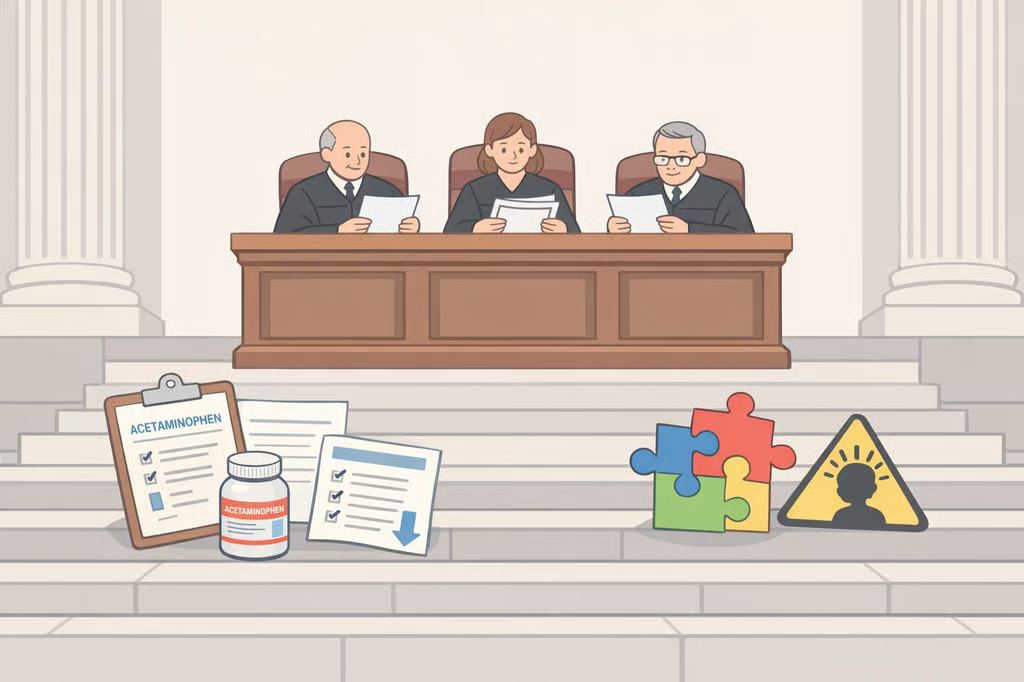
About 550 acetaminophen autism cases dismissed by a federal district court are now before the Second Circuit, after plaintiffs appealed final judgments entered against them in the Southern District of New York multidistrict litigation. No appellate decision has come down yet. What has changed is the regulatory ground beneath these claims: the FDA's decision last September to initiate a label-change process for acetaminophen shifts the legal footing for the warning theory at the heart of this litigation, per MDL court records.
No medical organization, regulatory body, or court has concluded that prenatal acetaminophen exposure causes autism or ADHD, per the second Daubert opinion. The pending appeal is a legal event, not a scientific one. Understanding why it matters requires following two parallel tracks: what the FDA did last September that changed the warning-label terrain, and why the underlying science that sank six consecutive expert witnesses remains just as unresolved.
The litigation began in 2022, when children, parents, and guardians filed products liability suits in federal courts claiming that in utero exposure caused neurodevelopmental harm. The Judicial Panel on Multidistrict Litigation consolidated those cases in the Southern District of New York, targeting Johnson & Johnson Consumer Inc. and retailers of store-branded acetaminophen for allegedly deficient warning labels, per MDL court records. The cases collapsed when the district court excluded all six of the plaintiffs' general causation experts. Final judgment was entered in approximately 550 cases. Those plaintiffs have appealed.
What the FDA action changed in the acetaminophen autism litigation
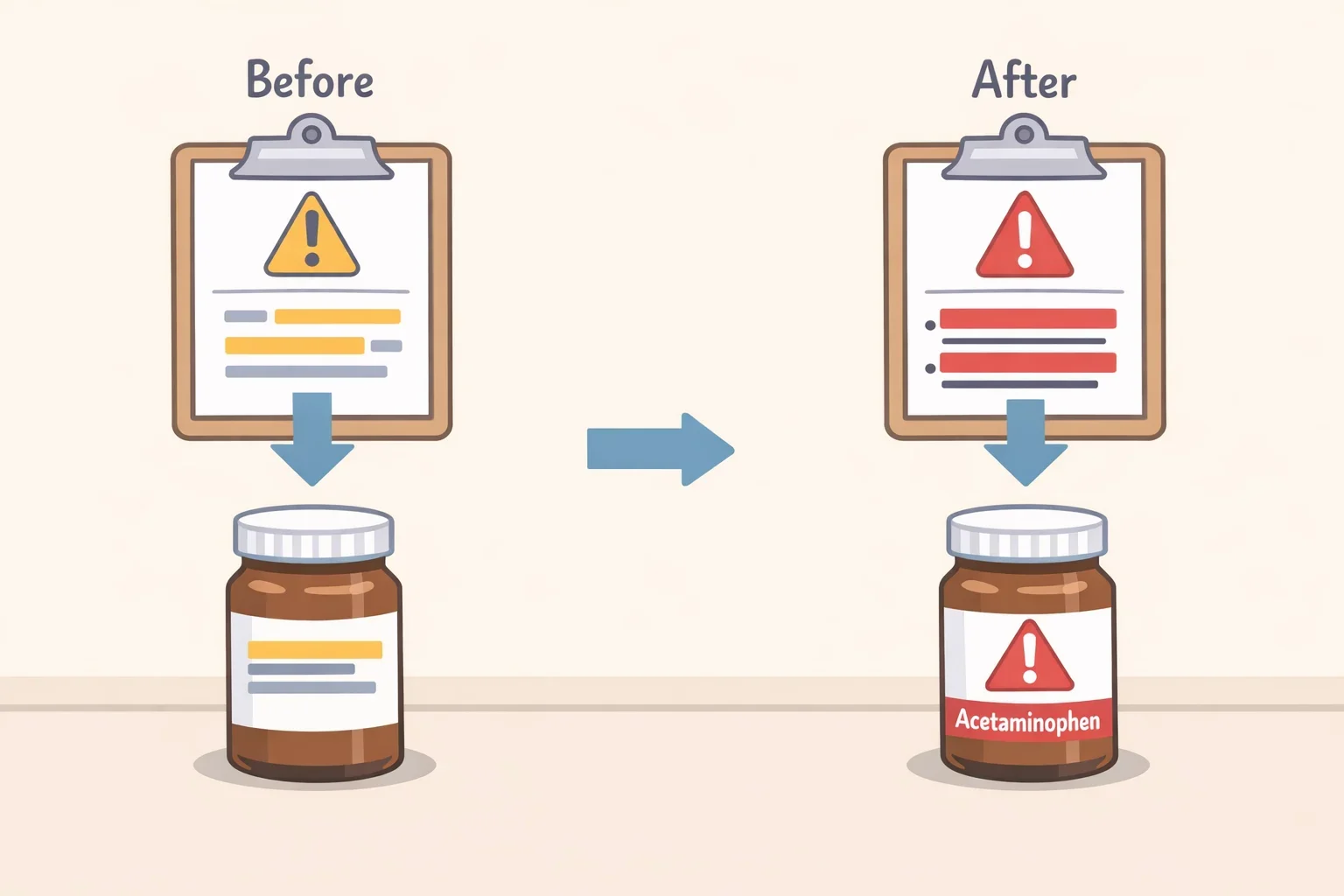
The core of the plaintiffs' case has always been failure to warn. Under that theory, defendants are liable not for making an unsafe drug but for failing to disclose a known risk to pregnant women. The defendants' most reliable counter in pharmaceutical litigation is federal preemption: if the FDA reviewed the evidence and approved existing labeling, state-law claims demanding a different warning are displaced by federal regulation.
That preemption argument faces a harder road now than it did when these cases were first dismissed. Last September, the FDA initiated the process for a label change for acetaminophen and issued a letter alerting physicians nationwide, citing "a considerable body of evidence about potential risks," per the FDA's announcement. Before that action, defendants could point to a decade of internal FDA reviews in 2014, 2015, 2016, 2017, 2022, and 2023 each of which declined to find causation and recommended no regulatory action. The September 2025 label initiative undercuts that argument. The agency has now begun the process of changing those labels.
The FDA was explicit that it has not found causation. Its announcement stated that "a causal relationship has not been established" and that acetaminophen may remain reasonable in certain pregnancy scenarios. The label action is precautionary, not conclusive. For plaintiffs on the warning theory, precaution is enough: the legal argument is that a warning was owed, not that the drug definitively harms children. Those are different standards, and the FDA's move helps with the first without touching the second.
One distinction worth tracking as the Tylenol pregnancy autism claims proceed: the district court's second Daubert opinion excluded Dr. Roberta Ness specifically on ADHD causation, per the second Daubert opinion. The FDA's label action covers both autism and ADHD. Claims touching autism may face a less-developed expert-exclusion record on remand than the ADHD claims a distinction that will matter when plaintiffs try to identify a new expert who can survive Rule 702 scrutiny.
Why the science problem that blocked six experts has not resolved
Before any of these cases could proceed to trial, plaintiffs had to clear one threshold: establish general causation through expert testimony that survives a Daubert challenge. At a pretrial conference in December 2022, the court and parties agreed that if causation experts were excluded, the cases ended, per the second Daubert opinion. Six experts later, that threshold has not been cleared.
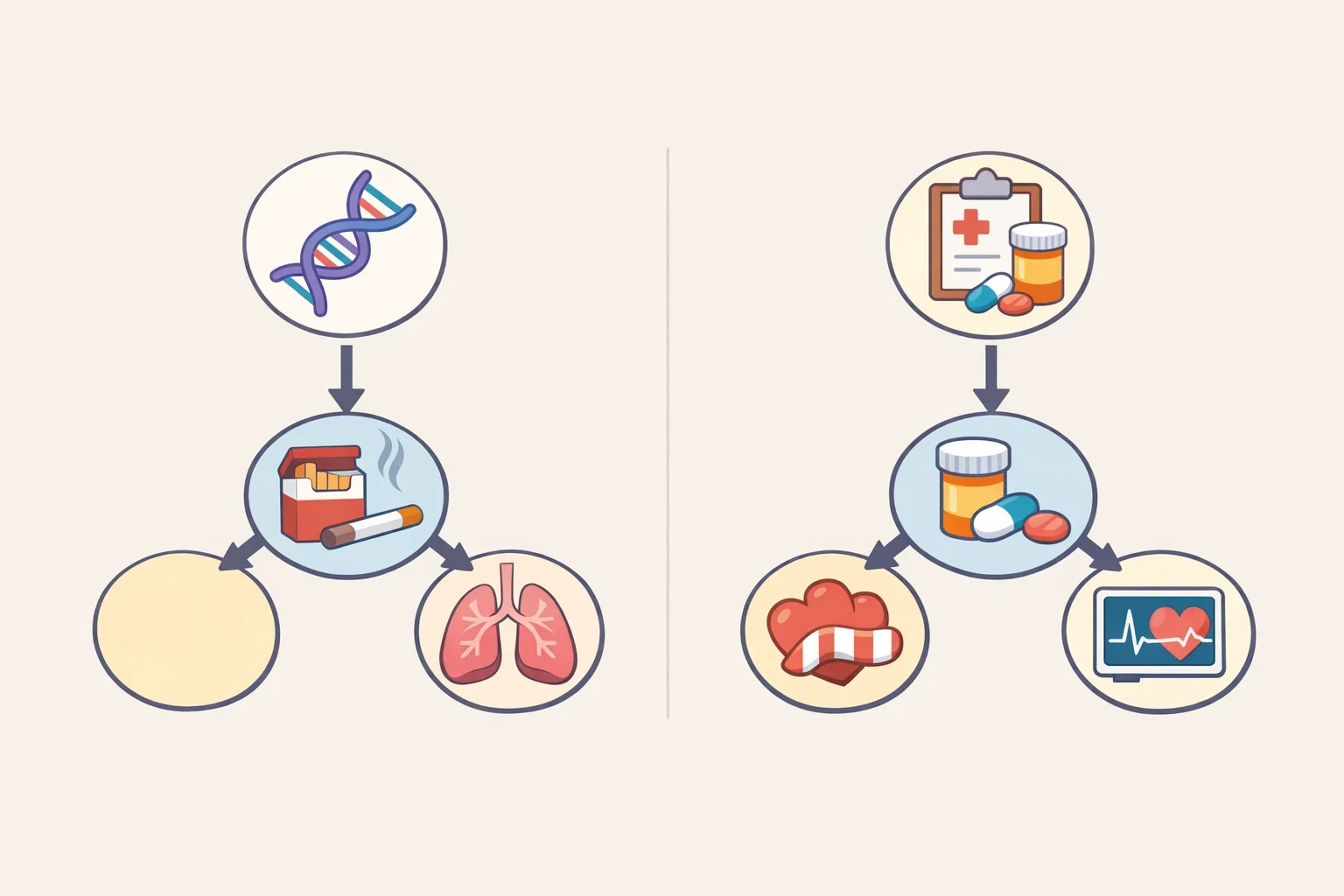
Two distinct confounding problems explain why. The first is genetic confounding: families genetically predisposed toward ADHD or autism are more likely to have a parent who takes acetaminophen, meaning the drug and the outcome may both reflect shared biology rather than causation. The second is confounding by indication: acetaminophen is taken to treat fever and infection, which are themselves associated with adverse neurodevelopmental outcomes, so many studies may be measuring the effect of the underlying illness rather than the drug. The FDA identified this second problem in its 2016 review, noting that causation "is not certain because of the possibility of confounding, particularly by conditions such as maternal fever and infection that may prompt pregnant women to take APAP but which may also be risk factors for neurocognitive problems," per the second Daubert opinion.
Sibling-controlled studies address genetic confounding more directly, comparing children born to the same mother one exposed to acetaminophen in utero, one not holding family genetics and environment roughly constant. A 2025 review of 10 studies published since 2021 found that only two adequately controlled for genetic and familial factors: the Ahlqvist 2024 Swedish nationwide sibling cohort and the Gustavson 2021 Norwegian sibling cohort, per ACOG's September 2025 advisory. Both found no significant association with neurodevelopmental outcomes once those confounders were accounted for.
The Ahlqvist study, funded in part by NIH, concluded that the observed association is "noncausal." NIH summarized the finding as: acetaminophen exposure during pregnancy is "not linked to the risk of autism, ADHD, or intellectual disability," per the second Daubert opinion. The district court excluded Dr. Ness specifically because her analysis of genetic confounding was unreliable, and noted that the sibling-control evidence she nominally acknowledged actually undermined her conclusion. Any expert offered on remand faces the same body of evidence, now with that rigorously controlled Swedish cohort study squarely in the record.
What clinicians recommend and why the FDA and obstetric groups diverged
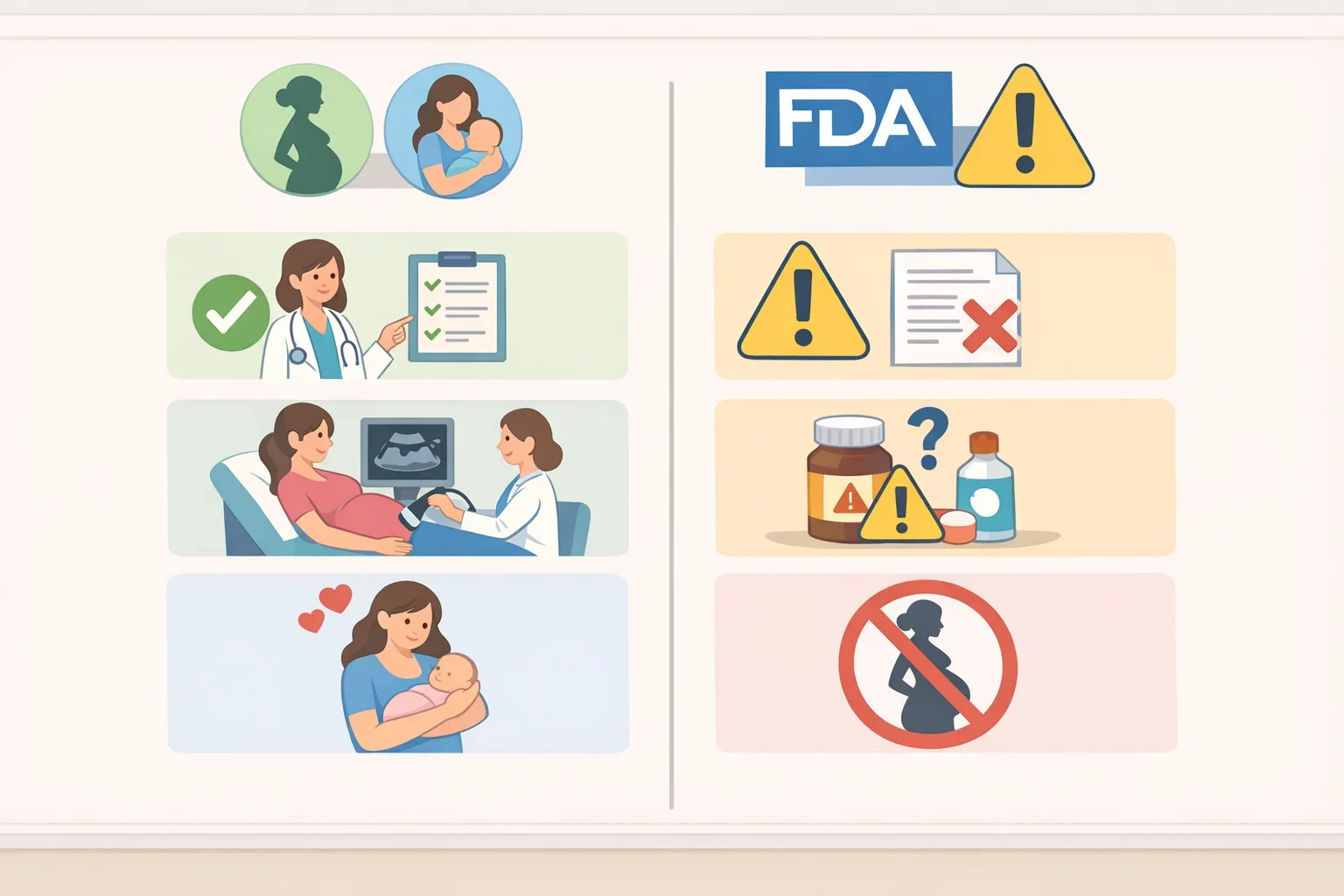
On the same day the FDA initiated its label-change process, two leading U.S. obstetric organizations reached the opposite policy conclusion. ACOG reaffirmed acetaminophen as "the analgesic and antipyretic of choice during pregnancy" and said no change in clinical practice was warranted, per ACOG's September 2025 advisory. SMFM echoed that position; SMFM President Sindhu K. Srinivas stated that "the weight of scientific evidence that acetaminophen use during pregnancy causes an increased risk for autism or ADHD is simply inconclusive," per SMFM's statement.
The gap between the FDA and the clinical organizations is not a contradiction it reflects different mandates. Regulators can move on association and precaution. Clinicians weigh the full risk equation, including what happens when the drug is avoided.
That equation is asymmetric. Acetaminophen is the only OTC drug approved for treating fever during pregnancy; aspirin and ibuprofen carry well-documented fetal risks, per the FDA's announcement. Untreated fever, particularly in the first trimester, raises the risk of miscarriage, birth defects, and premature birth; untreated pain can contribute to maternal depression, anxiety, and hypertension, per SMFM's statement. An estimated 60% of pregnant women in the U.S. use acetaminophen, per the second Daubert opinion, largely because the alternatives carry greater documented risks.
ACOG and SMFM did not change clinical guidance because causation has not been established and those alternative risks are concrete. The FDA acted because an association exists and precaution falls within its mandate. Both positions are logically consistent which is exactly why the scientific debate remains genuinely unsettled, and why a pending appeal changes nothing about what an obstetrician should tell a patient today.
The litigation's next tests
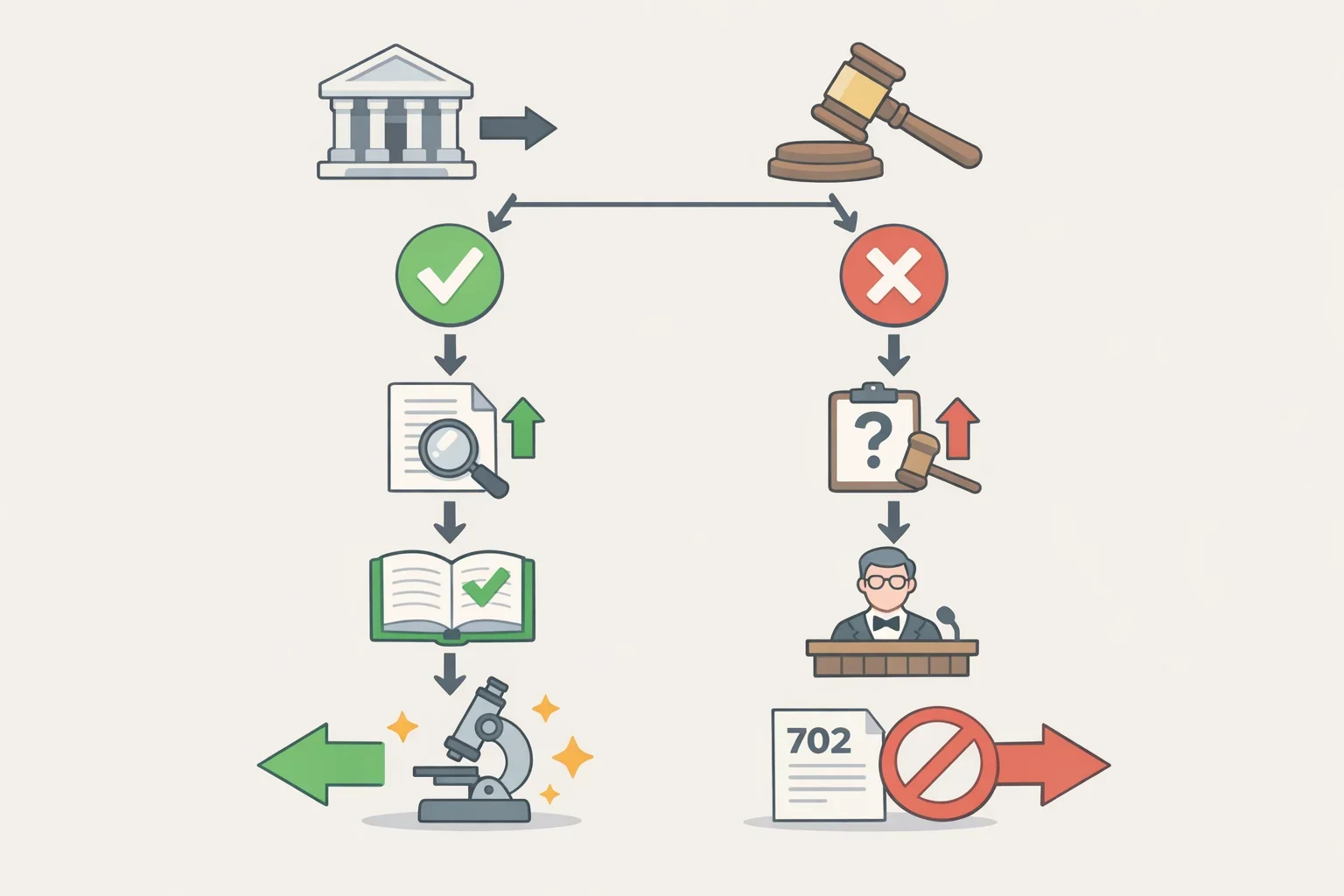
A successful appeal would clear a procedural path, not deliver a causation verdict. Plaintiffs would get another opportunity to present expert testimony that survives Daubert; whether any expert can do that against a scientific record where the most rigorously controlled studies cut against causation is the litigation's central unresolved question. Clinical guidance from ACOG and SMFM is unchanged, per ACOG's September 2025 advisory.
The FDA's label action shifts the ground on warning claims, reducing defendants' room to argue that prior regulatory inaction proves existing labels were adequate. It does not supply the causation evidence plaintiffs still need to prevail at trial. Solving the warning-theory problem and solving the causation problem are distinct tasks, and the appeal only helps with the first.
Three developments will determine where this goes:
- The exact scope of any appellate mandate, and whether its reasoning opens a narrow or broad path for plaintiffs on remand
- Whether plaintiffs can produce a new expert who credibly addresses both genetic confounding and confounding by indication, the specific failures that sank all six previous witnesses
- Whether the FDA's label-change process produces finalized warning language, which would further undermine the labeling defense
The expert-witness question is the first and most decisive hurdle. Without a causation expert who survives Rule 702, the rest of the Tylenol autism court decision process does not proceed, per the second Daubert opinion. The Second Circuit will decide whether the door stays open. Getting through it is a different problem entirely.
