
FedEx 2026 Peak Season Surcharges: Dates, Fees, and What Shippers Face
FedEx this week unveiled its 2026 peak season surcharge schedule, raising fees across every residential delivery category ahead of what is already the most expensive parcel market on record, according to the TD Cowen/AFS Freight Index. The residential Ground demand surcharge hits $0.80 per package at its holiday peak, up from $0.65 last year, a 23% increase, Supply Chain Dive reported. The timing aligns with FedEx's explicit shift away from general e-commerce volume toward higher-margin segments like healthcare, a direction the carrier has been vocal about throughout 2026.
The new surcharges stack on top of the 5.9% average general rate increase FedEx implemented in January 2026, per the FedEx Newsroom. Holiday shippers are entering peak season from a higher cost floor than last year, before a single surcharge is applied.
The fee structure varies significantly by service tier and volume. Mid-market and enterprise retailers using FedEx for residential parcel delivery during Q4 face the broadest exposure, though the mechanics differ enough by shipper profile that the numbers warrant a close read.
FedEx 2026 peak season surcharges: dates and fees by service tier
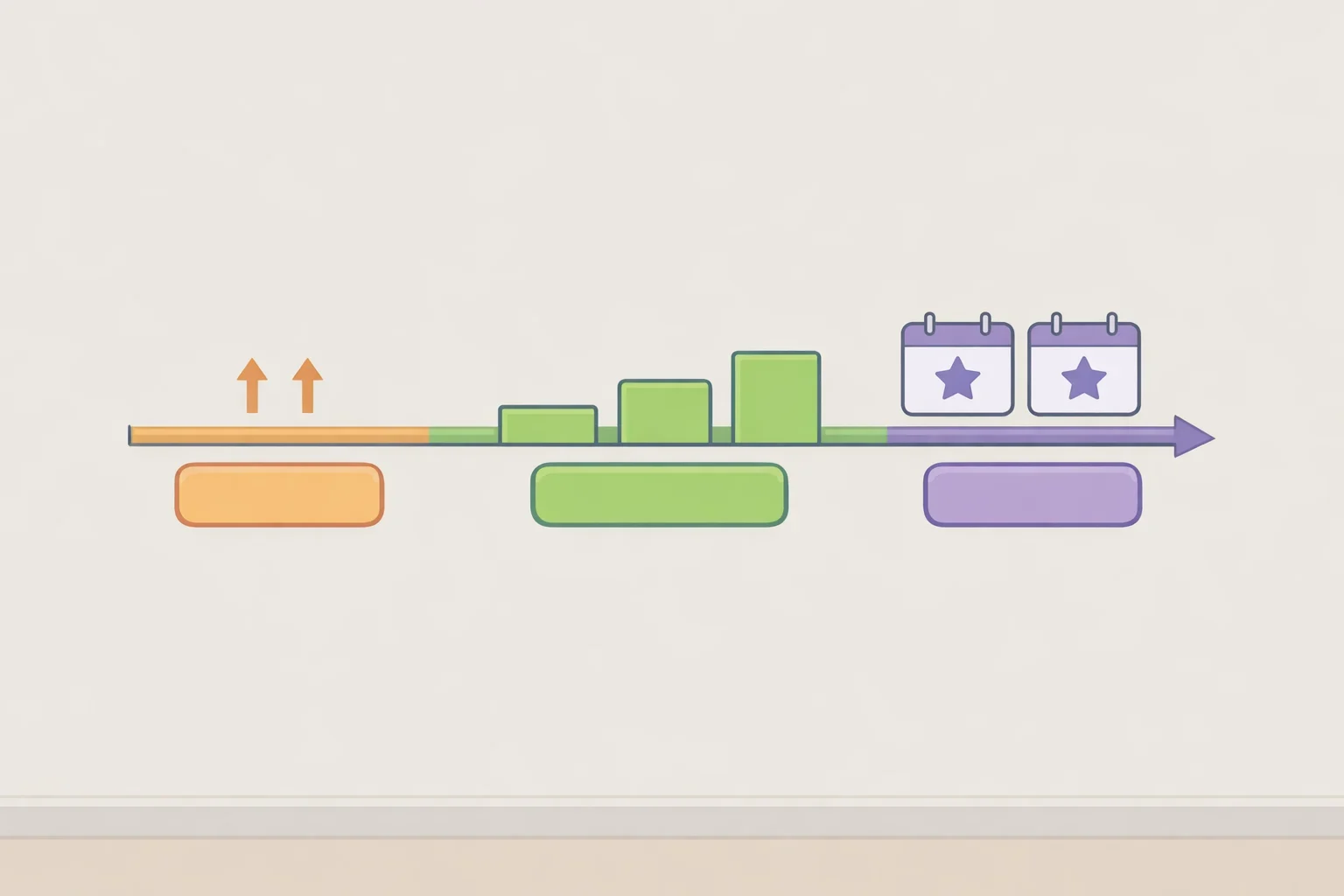
All surcharges activate by Oct. 26 and run through Jan. 17, 2027. Rates step up as volume builds, reaching their highest levels Nov. 23 through Dec. 27, Supply Chain Dive reported.
FedEx Ground and Home Delivery residential shipments carry a demand surcharge of $0.50 to $0.80 per package across the full window. The $0.80 ceiling during peak weeks is 23% above last year's $0.65 high, a year-over-year jump that more than triples the 5.9% general rate increase already in effect, per Supply Chain Dive.
FedEx Ground Economy carries the steepest per-package demand surcharge of any residential tier: $2.55 to $4.05 per package over the same period, Supply Chain Dive reported. Ground Economy is the lower-cost service tier many smaller DTC brands rely on for standard residential delivery. At the high end of that range, the surcharge alone represents a substantial addition to the cost of every shipment during the two-week peak window.
High-volume shippers face a separate layer. Enterprise accounts shipping more than 20,000 combined residential and Ground Economy packages are subject to a Demand Residential Delivery Charge of $1.70 to $9.35 per package, applied on top of the standard demand surcharge, per Supply Chain Dive. The rate is based on how far a shipper's holiday volume deviates from their activity during the June 1 to June 28 baseline window. Retailers whose summer volume is a fraction of their Q4 shipments face the steepest exposure from this fee.
Two other charges are worth flagging for shippers with non-standard packaging. The Additional Handling Surcharge runs $8.80 to $11.85 per package for unusual dimensions, and the Oversize Charge runs $95.75 to $117.25, both effective Sept. 28, according to Supply Chain Dive. The Ground Unauthorized Package Charge, applied to packages exceeding FedEx Ground's size and weight limits, rises to $535 to $595 per package during the peak window. That figure is large enough to reshape packing decisions on its own.
FedEx says it applies demand surcharges during periods of elevated volumes, heightened capacity demand, and higher operating costs, and that the fees help the company maintain service quality during its busiest weeks, Supply Chain Dive reported.
How the fees fit FedEx's 2026 strategy
The fee structure's concentration on residential and budget-tier shipments is consistent with what FedEx has been saying publicly this year. The carrier has been vocal about its decreased interest in general e-commerce volume, choosing instead to prioritize more profitable segments like healthcare, Supply Chain Dive noted. The holidays remain financially important, though: 2025 was FedEx's most profitable peak season on record.
FedEx EVP and Chief Customer Officer Brie Carere framed the surcharges as a mutual benefit at the company's 2026 Investor Day. "It lets them sell at Christmas and it allows us to bring on the resources profitably to do that," she said, per Supply Chain Dive. The language is notable: profitability, not cost recovery, is the explicit rationale.
The broader pricing data supports that framing. Fuel surcharge collections at FedEx and UPS have grown to exceed actual fuel expenditures, functioning as a profit center rather than a direct pass-through, according to TD Cowen/AFS Logistics analysis via FreightWaves. The carriers have also rewritten their fuel surcharge formulas so that revenue holds firm even when diesel prices fall. At $4-per-gallon diesel, shippers would pay a fuel surcharge above 24%, compared to 21% under last year's tables, FreightWaves reported. Discount levels at FedEx tightened from Q1 to Q2 as well, reversing an earlier pattern where FedEx had been competing more aggressively on price, per the same report.
Both FedEx and UPS have pulled back from low-revenue last-mile residential delivery to focus on higher-margin B2B segments including healthcare, according to FreightWaves. The peak surcharge schedule is one expression of that shift. FedEx says the fees cover operational costs; the market data, as tracked by TD Cowen/AFS, suggests they also serve a margin function.
Alternatives remain limited
The broader parcel market offers little relief. U.S. parcel rates reached record highs in Q2 2026, driven by elevated fuel surcharges and shrinking discounts at both carriers, per the TD Cowen/AFS Freight Index via CEP Research. Express parcel rates climbed 5.9% sequentially in Q2 and are expected to rise 11% year over year in Q3, while ground parcel rates are on pace to make 2026 the highest-cost year per package in the index's history, FreightWaves reported. Q3 rates are projected to hold at or near those elevated levels before peak surcharges activate, per CEP Research.
The fuel picture adds further uncertainty. Retail diesel jumped $0.22 in a single day in mid-July following renewed hostilities between the U.S. and Iran, reaching $4.79 per gallon, though prices remained below their level from four weeks prior, FreightWaves reported. The TD Cowen/AFS index notes that renewed Middle East conflict could push fuel costs higher heading into Q4.
Alternative carriers have grown their U.S. parcel market share to 7.2%, up from 3.4%, but nearly all of those gains came at UPS's expense. FedEx volumes were relatively flat year over year, per FreightWaves. FedEx-dependent shippers cannot assume the alternative-carrier market has already absorbed a comparable wave of displaced demand.
UPS has implemented peak season surcharges in prior years but had not yet announced its 2026 holiday fees as of this week, Supply Chain Dive noted. If UPS matches FedEx's residential increases closely, switching between the two carriers offers limited cost relief.
Carrier diversification into regional and non-incumbent carriers is a real option for some shippers, but realizing the savings requires managing significant complexity across variable service coverage and geographic reach, AFS Logistics president Mingshu Bates said in a statement accompanying the TD Cowen/AFS report, via FreightWaves. That makes diversification most practical for shippers with the volume and internal analytics to handle multi-carrier routing, not those evaluating the option for the first time in late July.
What shippers should be doing now
Three groups face the most direct exposure from these FedEx 2026 peak season fees.
Small DTC brands routing primarily through Ground Economy face per-package demand surcharges of $2.55 to $4.05, per Supply Chain Dive, a cost that is harder to absorb without scale and less likely to be negotiable without a substantial shipping contract. Mid-sized retailers on residential Ground will absorb the 23% year-over-year surcharge increase on top of the higher base rates in effect since January. Enterprise accounts clearing more than 20,000 residential and Ground Economy packages face the additional Residential Delivery Charge of up to $9.35 per package, Supply Chain Dive reported, scaled to how far holiday volume departs from the June 1 to June 28 baseline. Shippers whose summer shipping volume is far below their Q4 levels will see the largest charges from that fee.
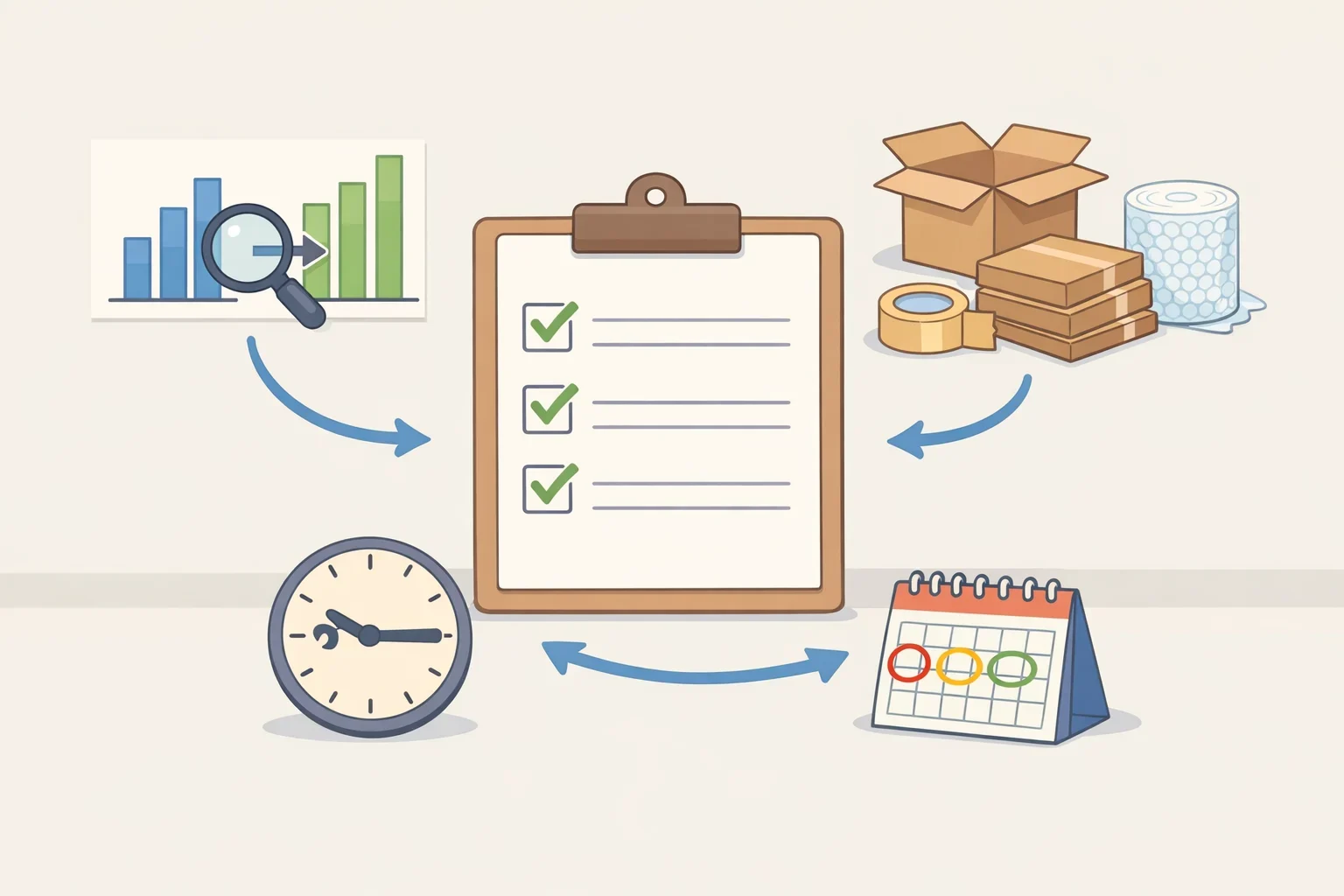
Concrete steps remain available before peak surcharges activate. Shippers subject to the enterprise residential charge should compare projected holiday volume against the June baseline FedEx uses to calculate the fee. Packaging decisions need review against FedEx's thresholds before Sept. 28, when the Additional Handling Surcharge ($8.80 to $11.85) and Oversize Charge ($95.75 to $117.25) take effect, per Supply Chain Dive. Shippers using Ground Economy primarily for cost reasons should also recalculate whether that tier still delivers savings under the 2026 surcharge table.
The window for negotiating alternative carrier arrangements before the Oct. 26 activation date is narrowing. Shippers without existing regional carrier relationships face meaningful lead time to contract, test, and operationalize a new routing option before late October. UPS's pending 2026 peak fee announcement will be a key data point: if its residential surcharges track closely with FedEx's, the calculus shifts considerably toward non-incumbent carriers, with all the operational complexity that entails.
The structural dynamic driving these increases, carriers repricing residential delivery upward while actively deprioritizing general e-commerce, did not begin with this announcement and is unlikely to reverse before 2027. Businesses that treat the 2026 peak surcharge schedule as an anomaly rather than a new baseline will face the same conversation again next summer, probably from a higher starting point.
