
Apple OpenAI Lawsuit Explained: What the 40 Employee Notices Mean
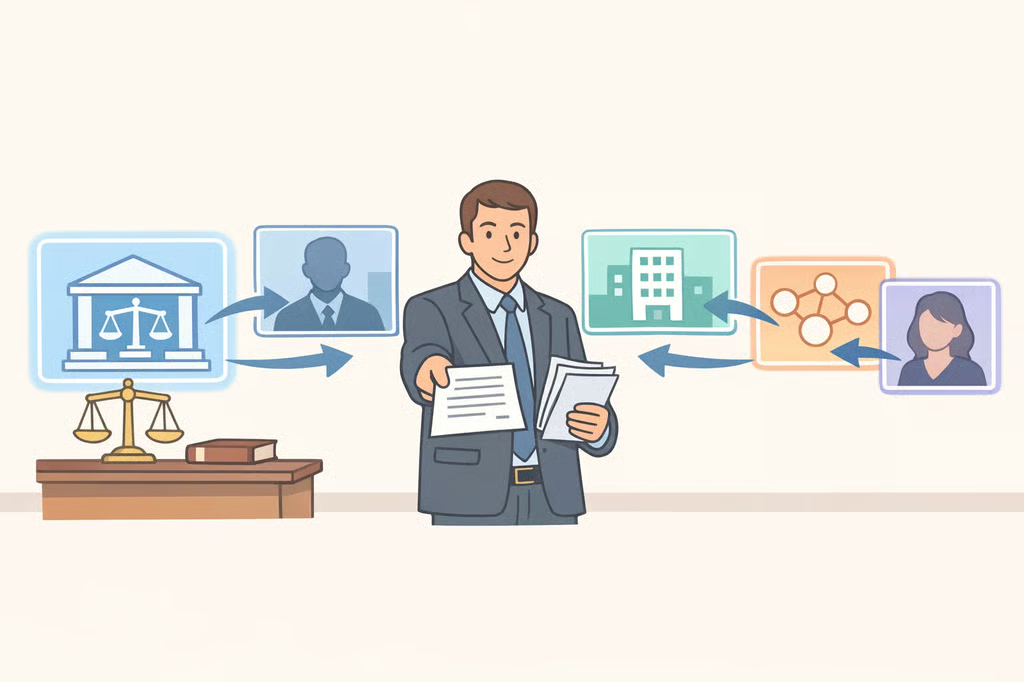
Apple sent legal notices today to roughly 40 former employees now working at OpenAI, instructing them to preserve documents and communications and asking to meet with Apple's lawyers. The notices arrived one week after Apple filed its initial 41-page complaint in the Apple OpenAI lawsuit, which named just three individuals. The gap between three named defendants and 40 preservation targets tells you something about where this case is heading.
The letters are not a sideshow. They are the next phase of it.
Apple's complaint spelled out why. "At every level, from members of its Technical Staff to its Chief Hardware Officer, and in coordination with business partners, OpenAI has been stealing Apple's trade secrets," the filing states, according to The Verge. The complaint calls what Apple uncovered "the tip of the iceberg." The preservation letters appear to translate that language into action.
What the Apple OpenAI lawsuit letters mean procedurally
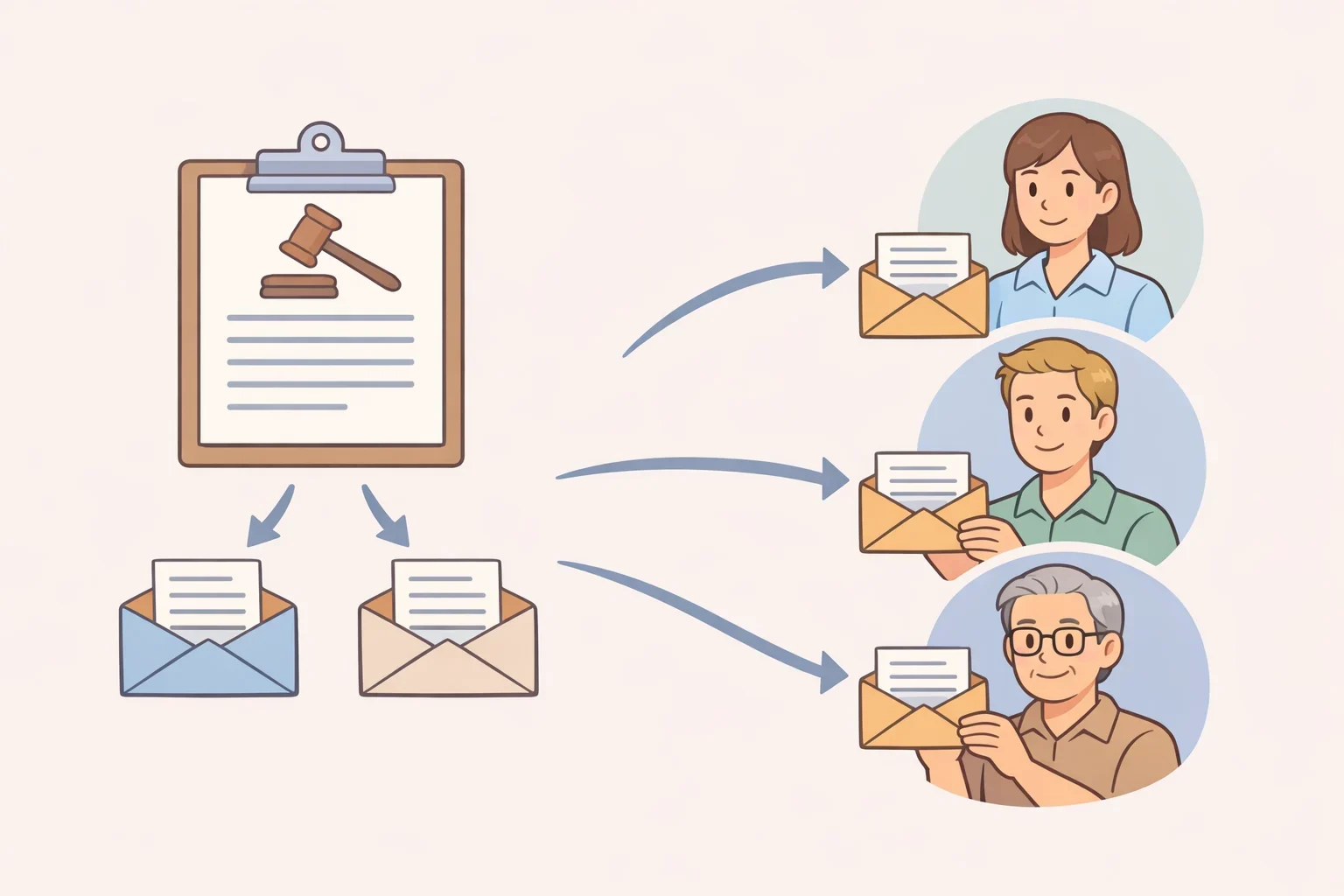
Preservation letters are a standard pre-litigation tool, but the scope of Apple's outreach makes them notable. Sending notices to roughly 40 people a small fraction of the more than 400 former Apple employees now at OpenAI, according to the complaint suggests Apple has done enough internal investigation to identify a specific subset it believes holds relevant information.
Once a lawsuit is filed, litigation hold obligations attach to named parties. Former employees at other companies sit in murkier territory unless they receive direct notice. Apple's letters appear aimed at putting those individuals on notice that it considers their records relevant, ahead of any formal discovery process. Whether that creates binding legal obligations on nonparties is a question for the court; what's clear is that Apple is signaling the investigation extends well beyond its three current defendants.
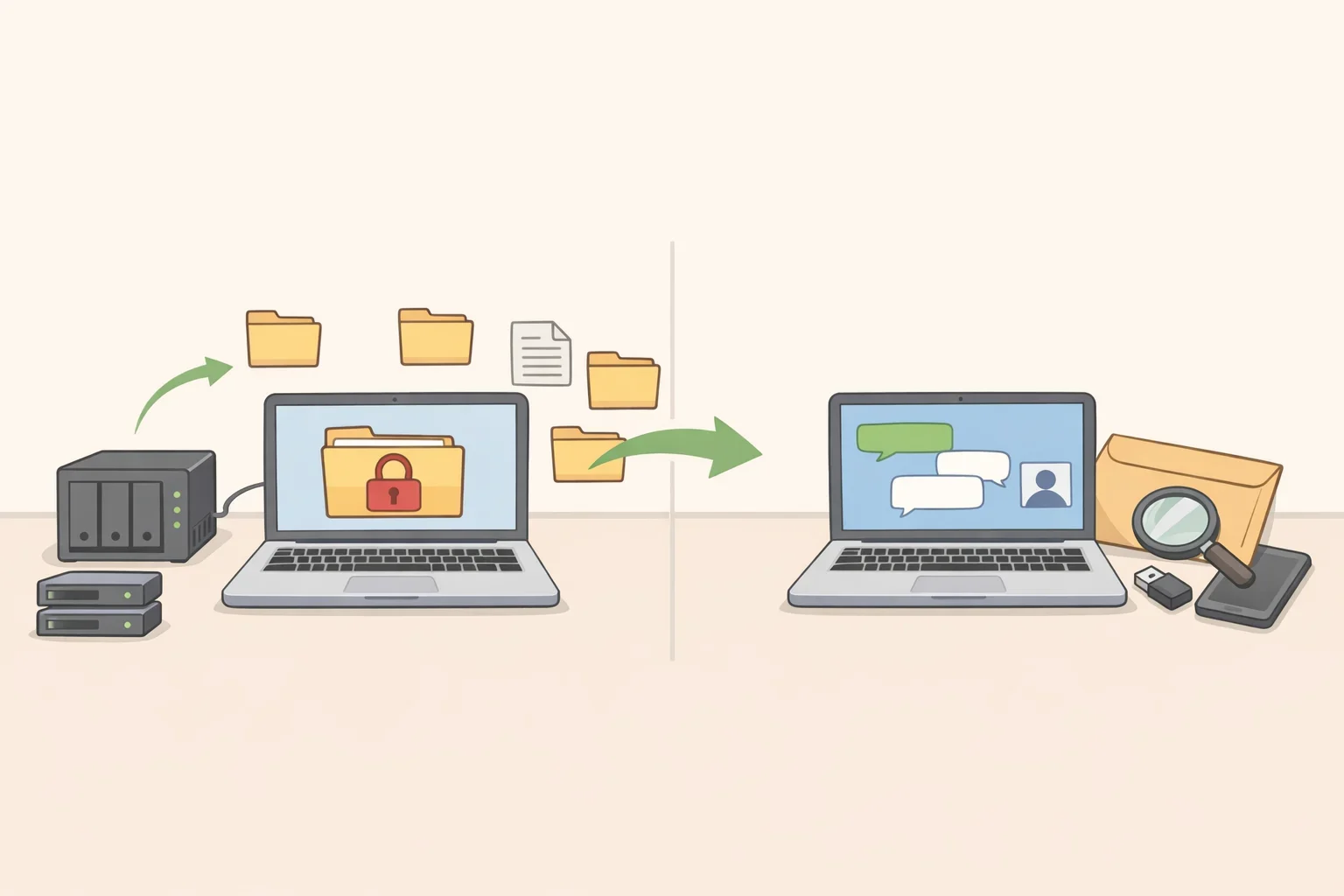
The complaint offers a specific reason for urgency. Apple alleges that Chang Liu, a named defendant, coached a colleague on how to copy files from Apple systems "to avoid trouble with the security team" and shifted communications to a separate messaging app to reduce the paper trail, according to The Verge. If Apple believes that kind of conduct wasn't isolated, moving quickly to put potential witnesses on notice before more material disappears is a logical next step.
Apple's complaint also describes a broader pattern. The company claims it observed employees leaving for OpenAI while actively sidestepping its exit security review process, ignoring outreach from security personnel and bypassing standard offboarding steps, The Verge reported. That pattern, if it holds up, is the kind of allegation that supports a wide preservation sweep.
The allegations that make the letters significant
Not every claim in the complaint carries equal weight for understanding why Apple sent notices to 40 people. The relevant ones involve deliberate document access, active concealment, and recruiting practices allegedly structured to extract confidential knowledge conduct that, by its nature, implicates more than three people.
Liu's post-departure conduct is the most concrete. Apple alleges he kept an Apple laptop after leaving, found an authentication vulnerability that let him access Apple's network storage remotely, and downloaded dozens of confidential engineering files, including presentations on logic board manufacturing. When he discovered the access gap, his alleged message to colleague Yu-Ting "Alyssa" Peng was: "LOL, I found out I can access the [network storage], so funny." The Verge reported the complaint quotes Peng's response as: "I'm ready." That exchange matters beyond its obvious entertainment value. Under the Defend Trade Secrets Act, intent is a required element, and Holon Law notes the complaint presents a textbook fact pattern under the statute.
The allegations against Tang Tan, OpenAI's chief hardware officer and a 24-year Apple veteran, point to something more institutional. Apple claims Tan instructed job candidates to bring physical hardware components from their Apple work to "show and tell" sessions, specifically requesting batteries, systems-in-package parts, main logic boards, and shields, according to The Verge. He also allegedly kept Apple's internal offboarding procedures document and shared it with incoming hires so they could anticipate and work around exit security protocols, advising them not to sign exit documents and not to disclose their new employer before leaving. That's not a rogue engineer acting alone. That's a hiring process, which is why 40 letters make more sense than three.
Apple's complaint also leans on its Intellectual Property Agreement, the standard contract every Apple employee signs as a condition of employment, with obligations that survive termination, Holon Law notes. If Apple can show violations at scale rather than in isolated cases, the preservation letters could become groundwork for a much broader amendment to the complaint.
These are Apple's allegations. None of the named individuals have responded publicly, and no independent corroboration of the underlying conduct has been reported.
What this means for OpenAI and the partnership Apple insists is fine
OpenAI has issued two statements, each pitched slightly differently. Hours after the lawsuit dropped, it told TechCrunch it had "no interest in other companies' trade secrets." Days later came a second, more careful version: "While we take these allegations seriously, we're not aware of any evidence that this complaint has merit. We believe in fair competition and allowing people the freedom to work wherever they choose," TechCrunch reported. The shift from flat denial to a merit challenge while invoking worker mobility is worth noting. The complaint names specific dates, quoted messages, and component lists. OpenAI's response is, essentially, a principle.
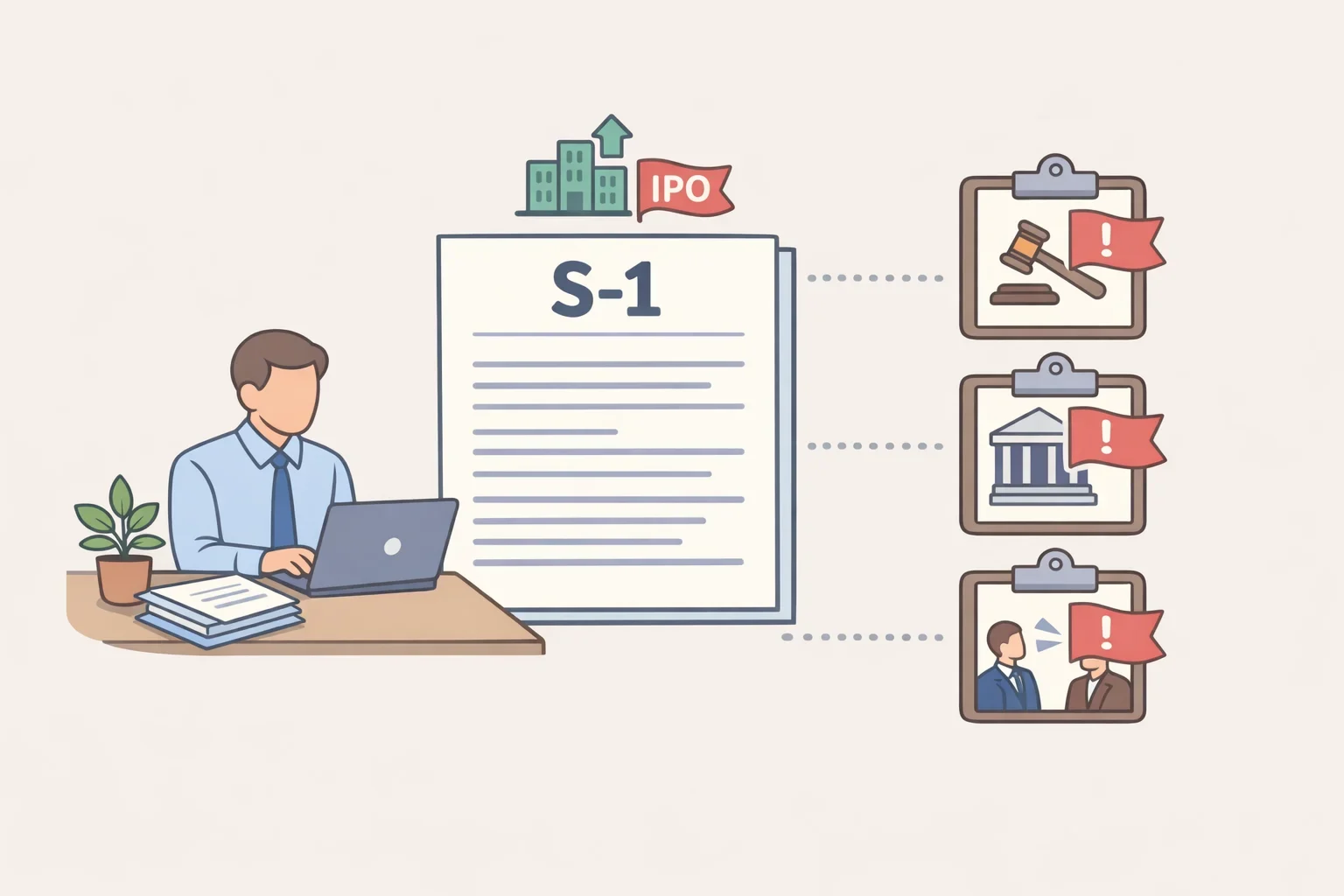
The timing creates real commercial complications, whatever the outcome. OpenAI confidentially filed an S-1 with the SEC last month in preparation for a public offering, The Verge reported. Material litigation is a required disclosure item. Avery Williams, co-chair of the trade secret practice at McKool Smith, put it plainly to The Verge: "It's never fantastic to get sued by Apple when you're trying to IPO. Apple is a tenacious litigant… They do not tend to back down."
The hardware dimension sharpens the stakes further. OpenAI is developing a consumer device expected in 2027 after acquiring Jony Ive's io startup for nearly $6.5 billion, The Verge reported. Tan, Apple's primary defendant, leads that hardware effort. Apple's complaint directly alleges the program benefited from its stolen institutional knowledge.
Then there is the awkward commercial reality neither side has fully addressed. Apple and OpenAI signed an agreement in 2024 to integrate ChatGPT into Apple devices, and Apple's complaint is careful to state that arrangement remains separate from the lawsuit, Holon Law notes. Neither company has explained how a deepening legal battle coexists with that commercial dependency.
What to watch as the case moves forward
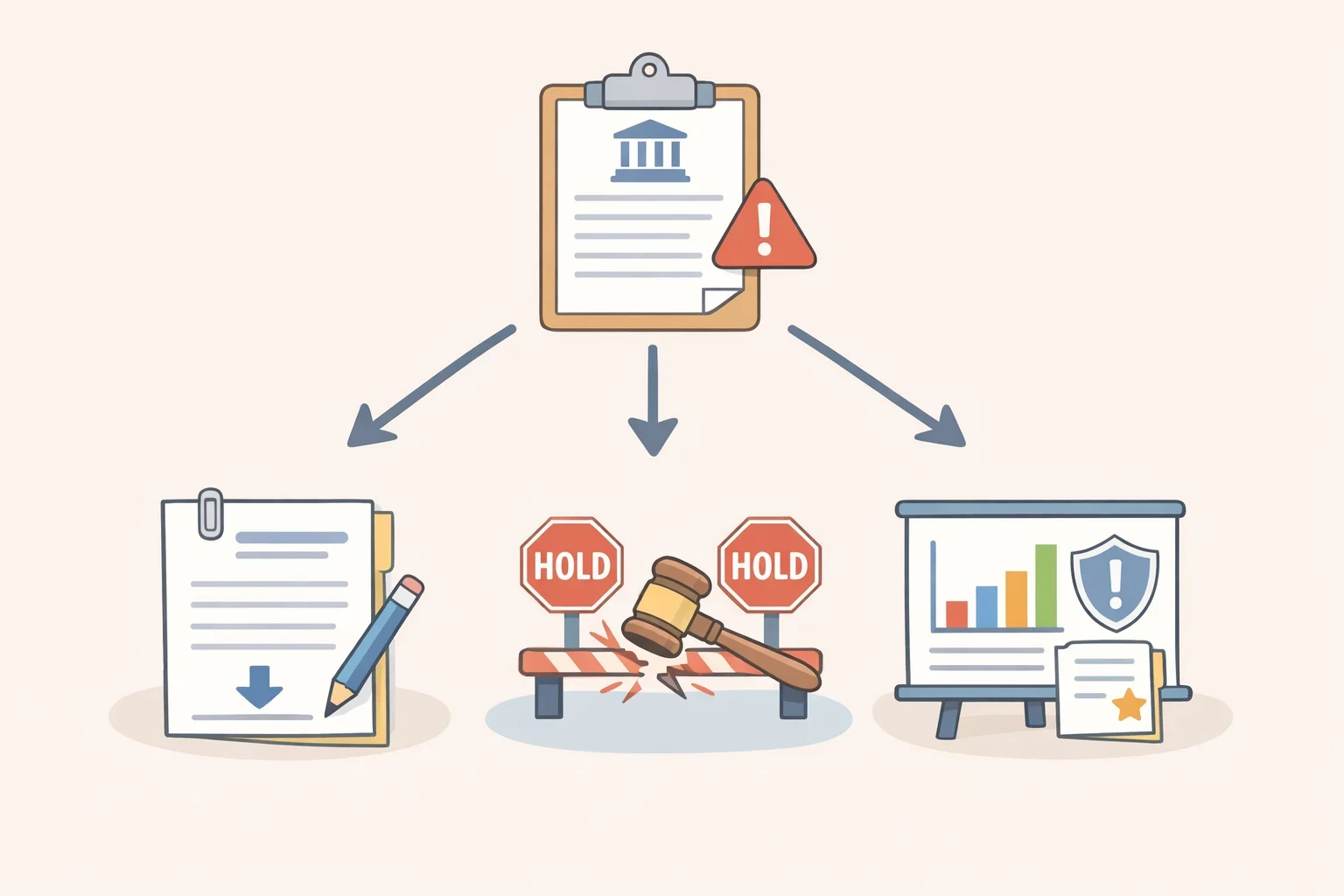
The preservation letters are Apple's attempt to lock down potential evidence before the litigation gets more aggressive. What comes next depends on what Apple's lawyers learn from the requested meetings: whether former employees have retained relevant devices or communications, and whether what they find supports expanding the complaint to new defendants.
Three near-term developments are worth tracking. First, whether Apple moves to amend its complaint to add defendants. Its "tip of the iceberg" language and the breadth of the preservation sweep both suggest that possibility is live. Second, whether OpenAI or any of the notified employees pushes back on the scope of the preservation demands. Third, whether OpenAI's IPO disclosures give any indication of how the company is internally assessing its legal exposure.
The case sits at a question the industry has avoided answering clearly: where competitive talent recruitment ends and systematic extraction of confidential knowledge begins, when the hiring is concentrated, the technical knowledge is highly specific, and the company doing the hiring is building a directly competing hardware product. With more than 400 former Apple employees at OpenAI, according to the complaint, and Apple indicating it has identified only a fraction of the relevant population so far, the Northern District of California will be working through that question for a while.
