
California DMV License Retest Letters: What 11,000 Drivers Must Know
The California DMV has sent retest letters to roughly 11,000 licensed drivers, ordering them to retake a written knowledge test within 30 days or have their licenses canceled. The agency cited unspecified "anomalies" in their original test results but has not publicly explained what those anomalies were, how the affected pool was identified, or whether any process exists to contest the determination, according to Newsweek and KCRA.
The affected tests span July 2025 through April 2026. Some drivers may have believed their licenses were fully valid for close to a year before this letter arrived. The DMV declined interview requests from both outlets and issued only a brief written statement, one that named no specific irregularities and described no mechanism for challenging the order.
What the DMV letters say and what recipients must do
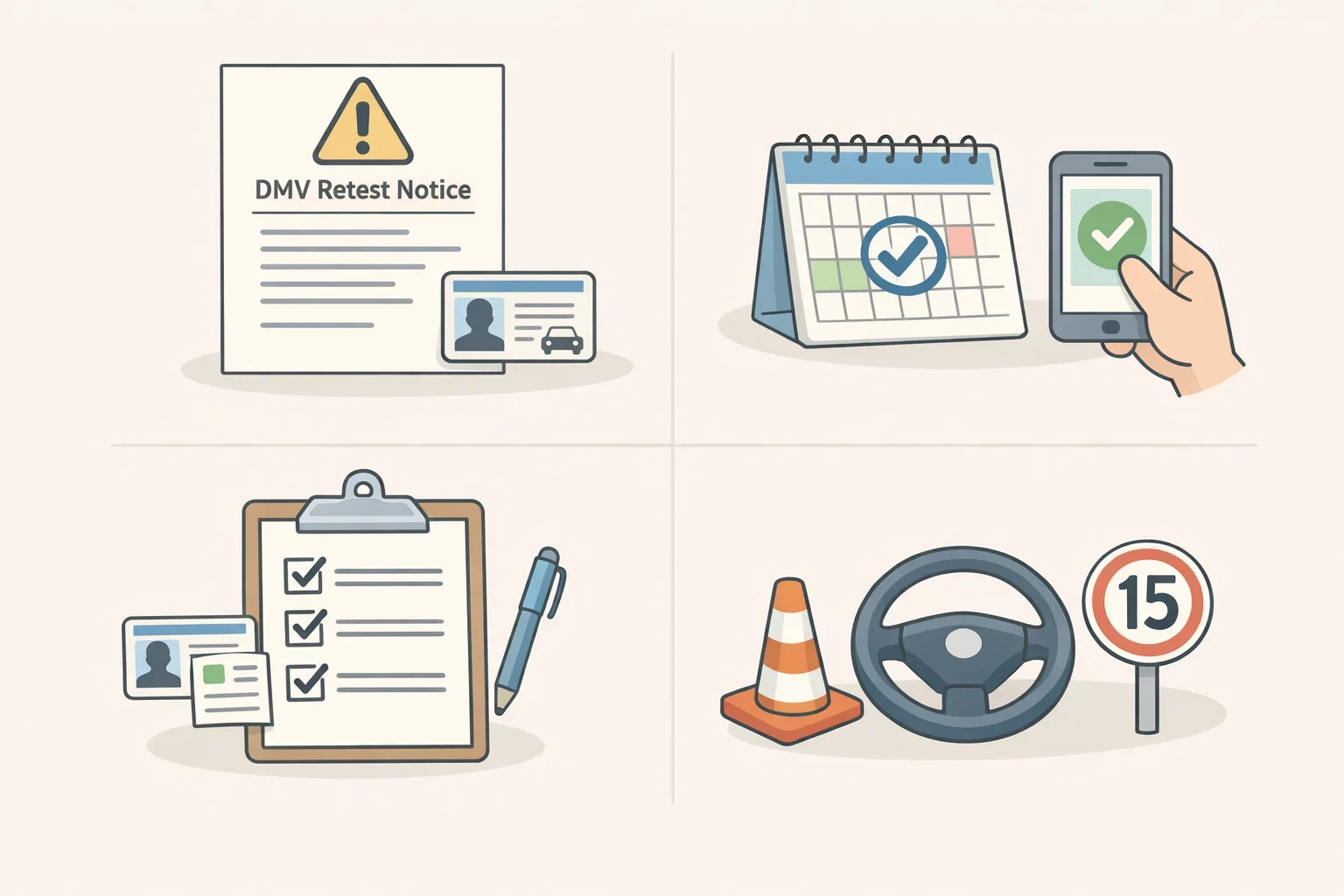
The notices tell drivers their test results showed "non-compliance with the driver testing criteria required by state law." Most recipients say they were given no detail about what that means for their specific case, Newsweek reported.
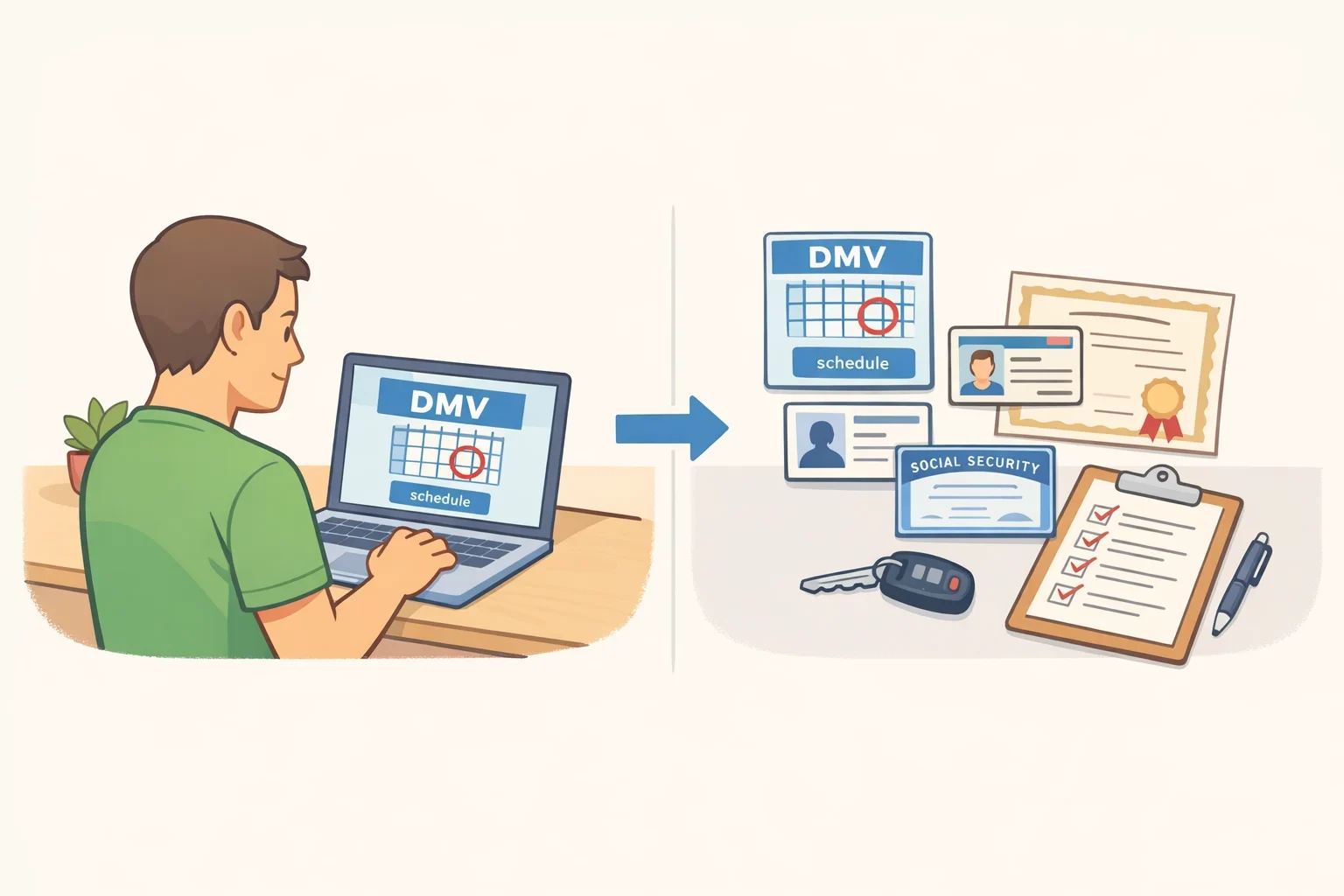
The DMV's instructions are clear on process: schedule an appointment at a DMV field office, bring the original mailed notice, and retake the standard written knowledge test within 30 days. Walk-ins will not be accepted, per Newsweek. Failure to comply within the deadline will result in license cancellation, KCRA confirmed.
The retest is the standard multiple-choice exam on California traffic law required of all first-time applicants. Online testing is not available: the remote knowledge testing program that previously existed ended in January 2025, making an in-person DMV field office the only option, per KCRA.
One practical note: when government agencies issue urgent, unexplained notices, scammers follow. Tom Clayton, president and COO of digital safety firm Aura, told Newsweek that these situations generate convincing fake communications quickly. "Whenever a government agency experiences a public-facing error that leaves people uncertain about what they need to do next, scammers move fast," Clayton said. "We often see fake emails and text messages claiming recipients need to verify their identity, pay a fee, or click a link to resolve the issue." The retest notice arrived by physical mail. Anything else claiming to be about this matter warrants skepticism.
What the DMV has said and what the California DMV license retest letters leave unexplained
DMV spokesperson Jonathan Groveman described the action as part of "regular internal monitoring" that identified anomalies in certain knowledge test results. The agency's full public statement amounted to two sentences: "Ensuring the integrity of our testing process is essential. Knowledge tests play a critical role in confirming that drivers understand the rules of the road before they are licensed to drive in California."
The DMV addressed two theories that had circulated. The retesting mandate, Groveman said, "is not AI related nor is it related to internal technical problems." That denial is notable given California's recent history. Until January 2025, the state ran knowledge tests through MVProctor, a platform built on Proctortrack's automated behavioral monitoring technology, which uses identity verification and behavioral tracking to flag potential rule violations during remote exams, Newsweek reported. The agency denied any connection to that system. What it has not said is what did trigger the review.
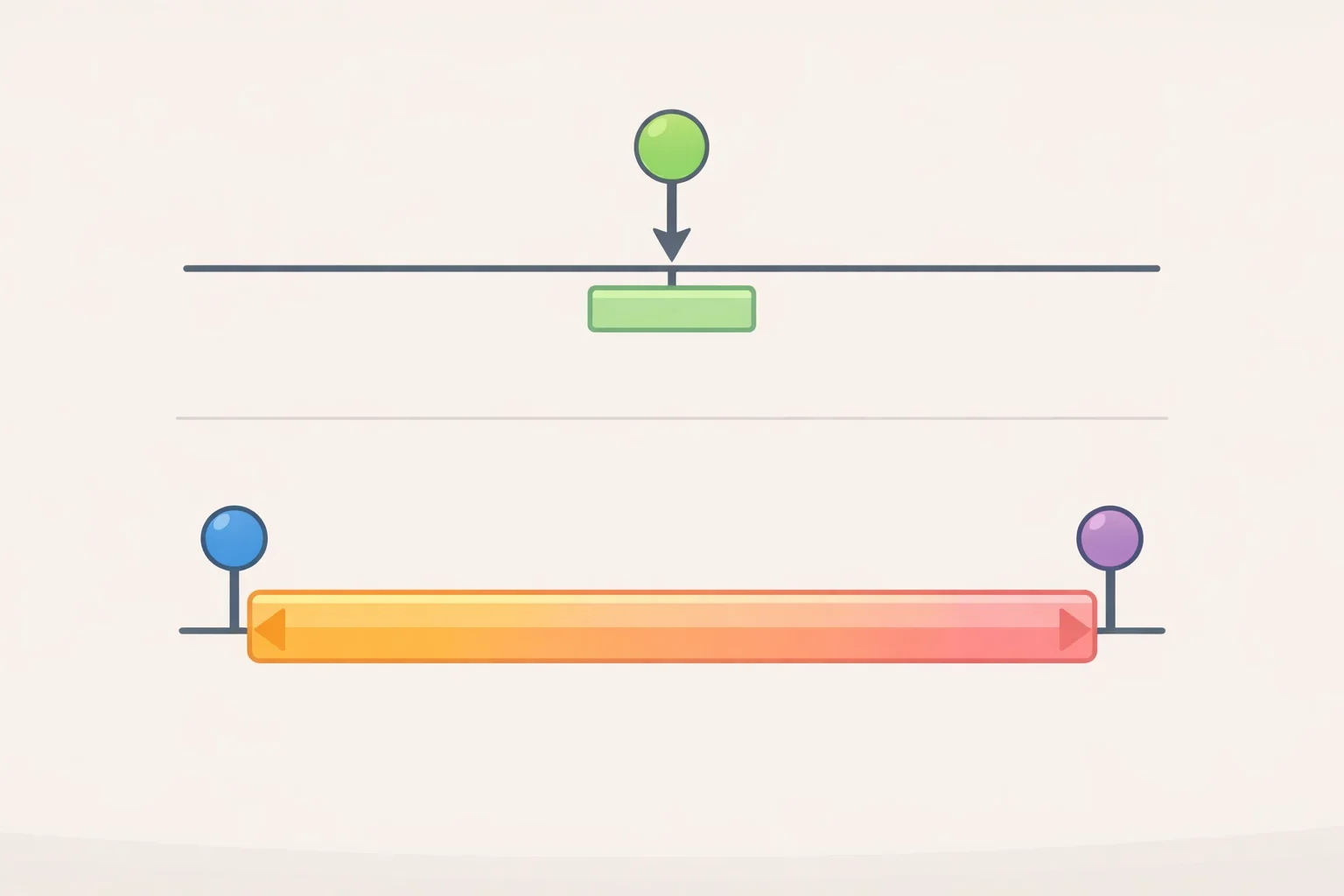
There is also a timeline problem the DMV has not addressed. If the remote testing program ended in January 2025, it is unclear why the affected window extends through April 2026, more than a year past that cutoff. That gap suggests in-person tests may account for at least part of the affected pool, though the DMV has not confirmed which format, or formats, are implicated, per KCRA and Newsweek.
The due process gap
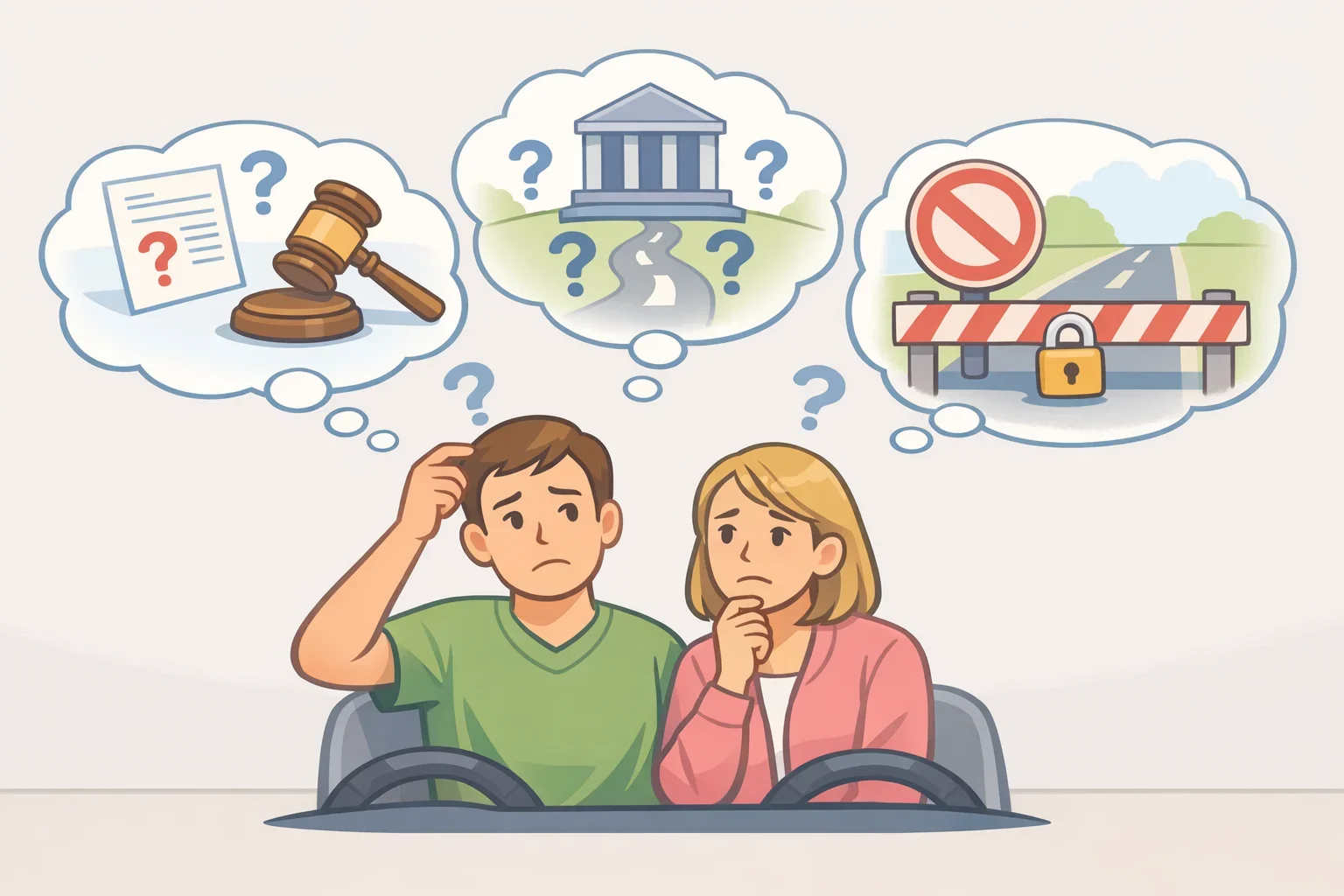
This is where the DMV's silence becomes harder to defend. Privacy and technology attorney Ryan Beene, quoted by Newsweek, identified the problem: "The public should have more transparency about what was flagged, how decisions were reviewed and what appeal rights drivers have."
Four questions sit at the center of that complaint, none of them answered. What specifically was flagged in each case? What evidentiary standard did the DMV apply? Was each individual case reviewed before a letter went out, or was the process more automated than "regular internal monitoring" suggests? And what happens if a driver believes the determination was wrong?
That last question has real weight. The letters went to 11,000 people. Without knowing whether cases were individually examined, recipients have no way to assess whether they're being asked to correct a genuine problem with their original test or to compensate for an error the agency made in reviewing it.
Sacramento recipient David Specht gave voice to that uncertainty. He told CBS Sacramento and ABC7 that his first reaction was fear the letter was accusing him of cheating. "I know I didn't cheat," he said. "And I presume many of the other 11,000 residents of California who received the letter also didn't cheat." His alternative reading: "Maybe they botched some data, and now they can't tell who passed, who failed." That's Specht's theory, not established fact. The DMV has not addressed either possibility, Newsweek reported.
Here is where the record actually stands:
Confirmed Still unresolved ~11,000 drivers received letters What the anomalies actually were Tests from July 2025 through April 2026 affected How the 11,000 were identified or audited 30-day deadline; appointment required; in-person only Whether individual cases were reviewed before letters went out Original mailed notice required at appointment Whether a formal appeal or challenge process exists License canceled if deadline is missed Which test format, remote or in-person or both, is implicated DMV denies AI and internal tech involvement What triggered the review in the first place
The case for testing integrity is not unreasonable on its merits. A peer-reviewed study published earlier last year in Injury Epidemiology found that loosening in-person renewal requirements was associated with higher crash rates among drivers 65 to 74 and greater injury rates for those 75 and older, according to the research. Rigorous testing standards carry real safety consequences. The problem isn't that the DMV acted. It's that 11,000 people have been given a deadline with no explanation of what the agency found, how confident it is in that finding, or what recourse exists if the finding is wrong.
What comes next
The 30-day clock does not pause while the DMV considers whether to say more. Recipients who wait for a better explanation before scheduling risk losing their licenses, and the agency has given no indication that a fuller public statement is coming.
Whether sustained press or legislative scrutiny changes that calculus remains to be seen. Lawmakers and journalists who have covered the DMV's remote testing history may push harder for answers, particularly given the unanswered timeline question. For now, the agency has shown no urgency to explain what it found or how it found it.
For recipients, the situation is frustrating but the path is straightforward: schedule the appointment, bring the letter, take the test. Any grievance worth having will be easier to make later from a position of compliance than from one of a canceled license.
