

Project Q Series A Funding Explained: €15m in Europe's Defence-Tech Boom
Defence tech startup Project Q has closed a €15m Series A just 11 months after its previous financing round. The Project Q Series A funding announcement disclosed the round size and timing; lead investor, valuation, use of proceeds, and product category were not reported. That limits what can be said about the company directly. The market it is entering, though, is specific enough to tell its own story.
European defence-tech VC logged 154 deals worth €2.8bn in 2025, a 148% rise in deal count and a 718% jump in volume versus 2021, compounding at 69% annually across the four-year period, per the FCF DefenseTech Venture Capital Report 2026. Capital is moving into the sector at a pace with no recent precedent, and the growth traces directly to the acceleration in European defence spending following the start of the Russia-Ukraine war in 2022.
The top end of that market is running at a different altitude entirely. Munich-based Helsing closed a $1.8bn Series E yesterday at an $18bn valuation, up from €12bn the prior year, with investor demand reportedly exceeding the capital available, Sifted reported. Dragoneer, Lightspeed, Iconiq, Goldman Sachs Alternatives, and JPMorgan Chase all backed the round. Project Q is operating in the same sector. The resemblance ends there.
Project Q €15m Series A: what an 11-month interval actually signals
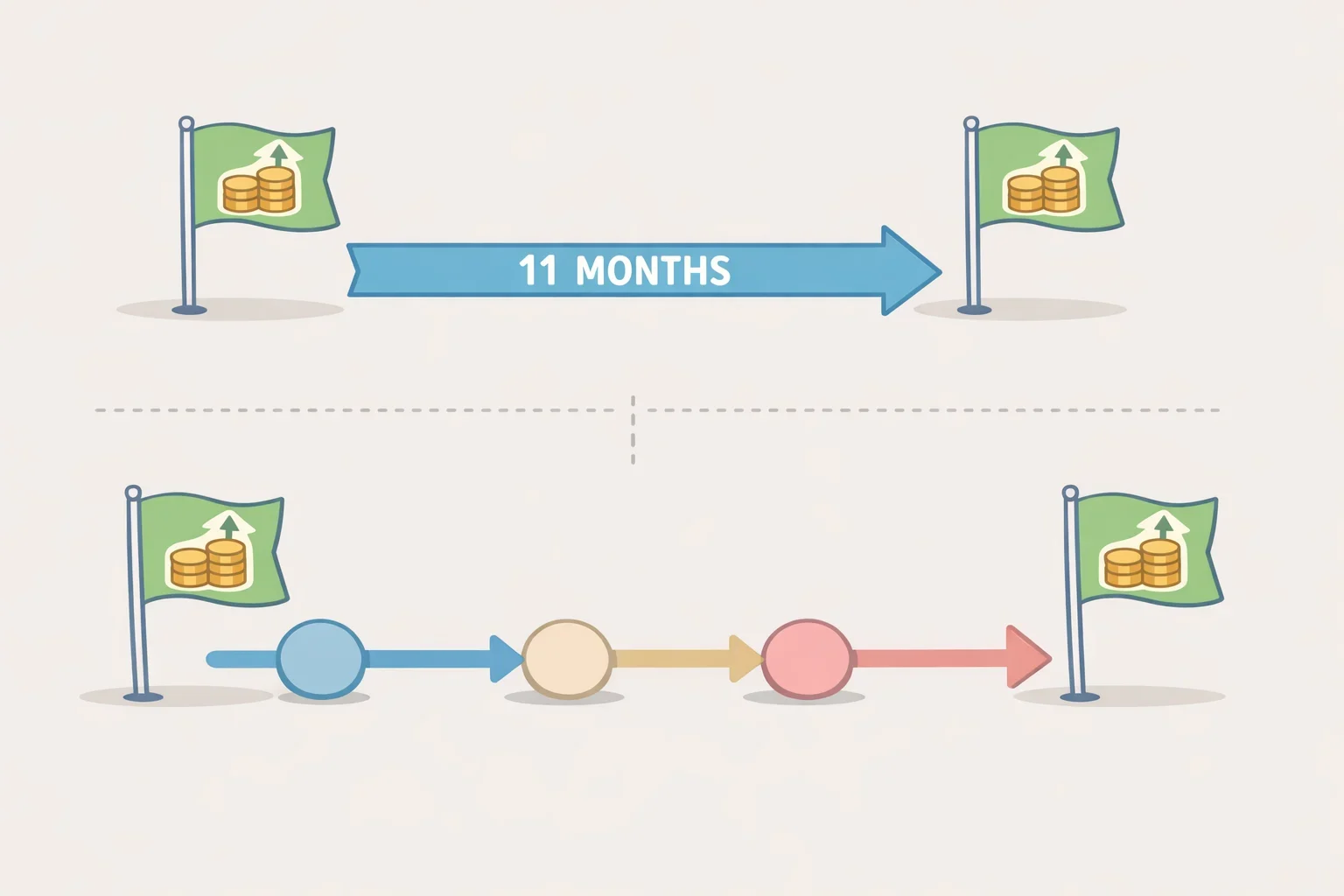
Returning to market within a year of a previous round is unusual in most sectors. In European defence tech in mid-2026, it fits a market that has structurally compressed its own fundraising cycles.
An 11-month gap suggests Project Q maintained enough momentum, whether product, commercial, or both, to re-engage investors well before a standard runway would have run thin. Whether that reflects demonstrated customer traction or the competitive dynamics of a sector hungry for deal flow is exactly what the undisclosed details would clarify. Without knowing the lead investor, the valuation step-up, or any procurement context, both readings remain open.
The market data confirms the timing was plausible. Deal volume grew nearly eightfold between 2021 and 2025 while transaction count more than doubled, the FCF report found. Founders with credible propositions are finding investors willing to move faster than they would have three years ago. That is not a temporary condition.
Helsing's round adds useful colour here. Investor demand that exceeds available allocation, as Sifted noted, does not stay frustrated. Capital that cannot get meaningful allocation in a $1.8bn round looks for earlier entry points in the same sector. That dynamic does not guarantee anything for a €15m company, but it helps explain why the fundraising environment for earlier-stage defence-tech startups is better than it has ever been. The tailwind is real, even if it is unevenly distributed.
Helsing itself illustrates how quickly a company can move through the funding stack when the pieces align. Founded in 2021, it started as a battlefield AI software company before expanding aggressively into hardware, per Sifted. Its current portfolio includes the HX-2 autonomous strike drone, commitments to deliver thousands of drones to Ukraine, and a planned manufacturing facility in Plymouth as part of a £350m UK investment programme. Active government contracts with Germany, Estonia, the UK, and Ukraine underpin the investor confidence. Project Q has disclosed none of those equivalents, which is not damning at Series A stage, but it is the gap that matters most for understanding what the raise represents.
Project Q funding round signals a concentrated defence-tech market
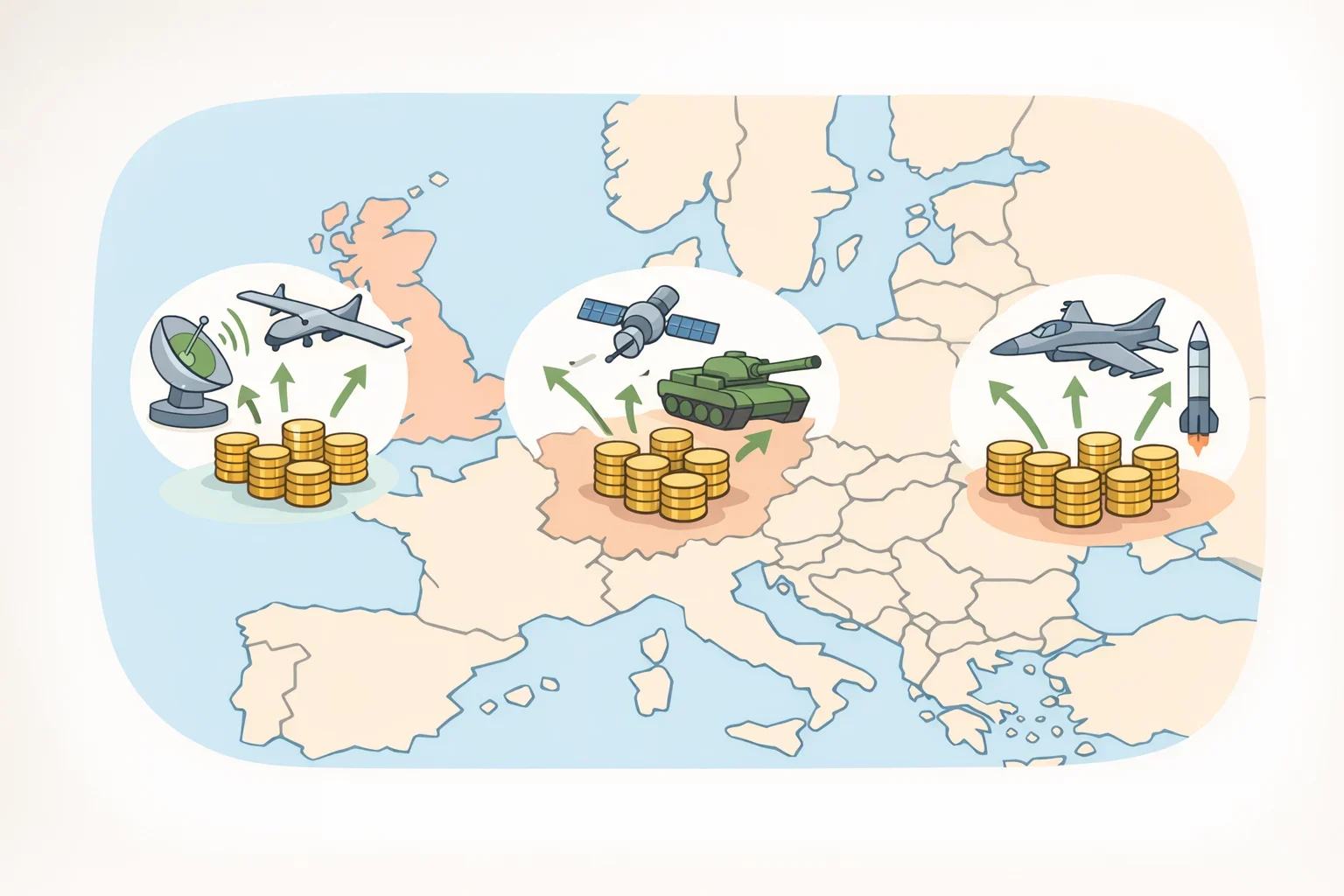
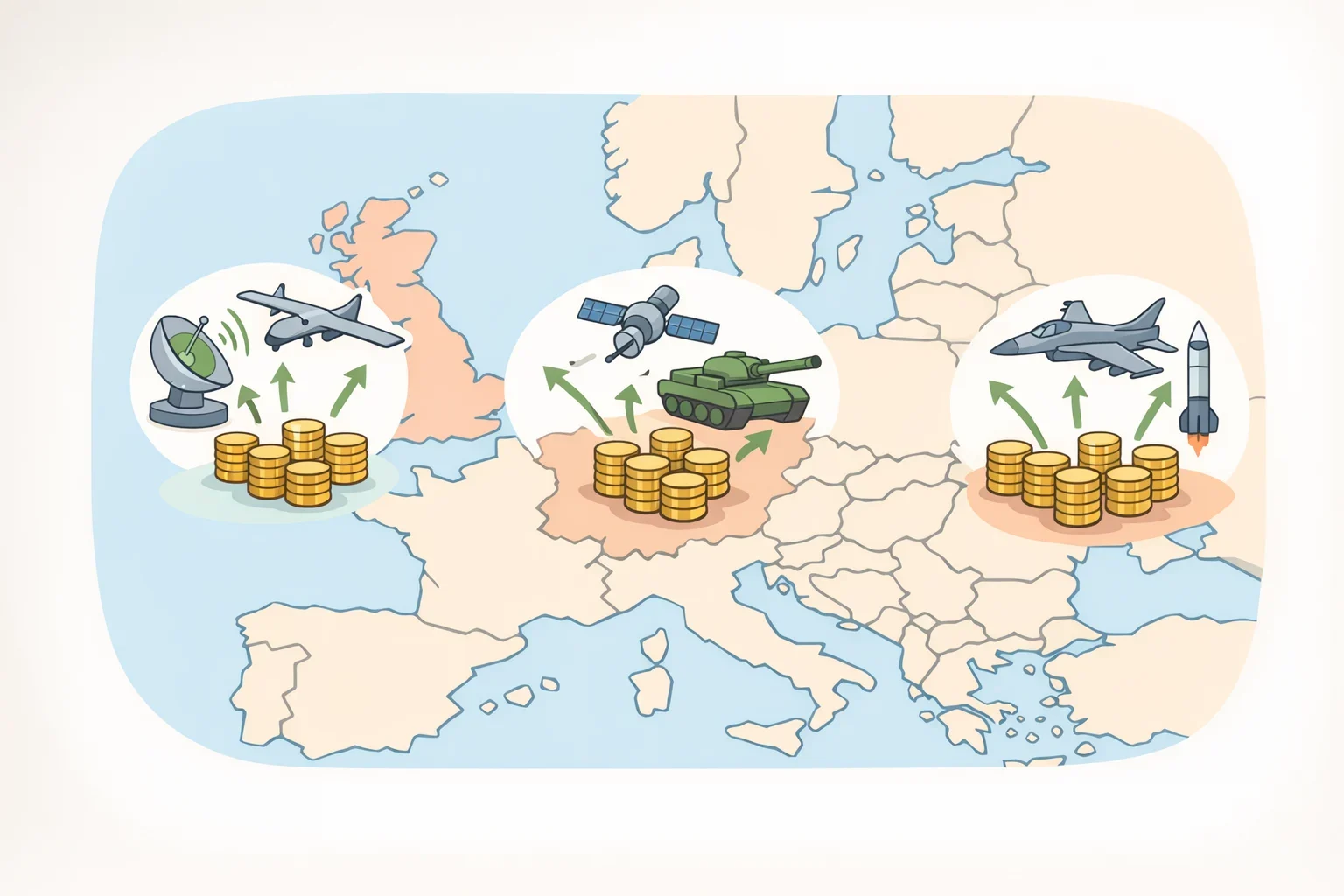
The headline growth numbers for European defence-tech investment are striking. The distribution underneath them matters more for reading a €15m raise.
Five companies, Helsing, TEKEVER, Quantum Systems, Iceye, and Destinus, account for nearly 60% of all capital deployed into European defence-tech startups since 2021, each having closed at least one round above €150m, the FCF report found. The sector is expanding and concentrating at the same time. More deals, more companies, and a larger share of the money flowing to a smaller group at the top.
Geography compounds this. Germany alone accounts for 42% of total invested capital, €2.2bn, despite ranking third by deal count. Add the UK and France and three countries represent 62% of capital and 56% of all transactions, per the FCF report. Capital is not spreading evenly across Europe; it is pooling around a handful of national hubs and the companies headquartered in them. Where Project Q is based has not been disclosed, which is itself a meaningful omission when geography shapes access to the largest cheques this directly.
Subsector dynamics follow the same pattern. Autonomous systems account for 34% of transactions and 38% of total investment volume, making it the single most active category by a clear margin, the FCF report shows. Electronic warfare ranks second at 27% of volume, largely driven by individual mega-deals. Without knowing what Project Q builds, it is impossible to place the company within that split. That is one of the more consequential gaps in the current disclosure, because subsector positioning shapes both investor appetite and procurement pathways in ways that round size alone cannot signal.
The exit environment has not kept pace with the capital flowing in. M&A runs at roughly five to six deals per year, IPOs remain rare at just two since 2021, and the best-funded companies are buying rather than being acquired: Quantum Systems has completed five acquisitions since 2021, the FCF report notes. Scaled players are acquiring earlier-stage capabilities rather than waiting for those companies to grow into competitors. For a €15m Series A company, that dynamic cuts both ways. It is a potential exit path, possibly a lucrative one if the acquirer is well-capitalised. It also means the window for building toward independent scale may be narrower than the fundraising climate makes it appear.
Three disclosures that would actually move the story

Right now, the confirmed facts are a round size and a timeline. In a sector moving at this pace, that is enough to flag Project Q as a company worth tracking. It is not enough to say much more than that.
Three data points would change that. Who led the round is the first. A dedicated defence-tech fund signals a different kind of diligence and validation than a generalist early-stage investor following a hot sector. The second is whether the Series A represents a genuine valuation step-up from the prior raise, and on what basis. A step-up priced on revenue or customer commitments reads differently than one priced on market sentiment. The third, and probably most diagnostic, is whether Project Q has any procurement relationship with a government customer, even at pilot stage. Helsing's trajectory from software startup to $18bn company in five years was built on exactly that kind of early government engagement. A comparable signal from Project Q, even a modest one, would do more than any other single disclosure to indicate which tier of this market the company is building toward.
Fast follow-on raises in this environment are credible signals of capital access. The FCF data makes clear that the conditions for a well-positioned early-stage company to raise quickly are the best they have been since European defence tech became a serious venture category. That makes the speed meaningful. What it does not resolve is whether Project Q is one of the sector's future consolidators, a future acquisition target, or something still being figured out. The round is a confirmed step forward. The question of which direction is still open.
