

Google Proxima Fusion Funding Round: €411M Raise Explained
Proxima Fusion closed a €411 million ($469 million) Google Proxima Fusion funding round on Tuesday, with Alphabet's Google and German energy utility RWE joining lead investors XTX Ventures and East X Ventures. The raise values the Munich-based startup at €2.4 billion. Those figures alone would make it a notable fusion announcement. What separates it from most is what came attached: a utility partner with money in the deal, and a named location for the first plant.
RWE invested €25 million and signed an agreement to partner on building the first stellarator fusion power plant at a former nuclear fission facility in Gundremmingen, Bavaria, The Star reported Tuesday. Global private investment in fusion companies totaled $2.2 billion in the year through July 2025, far exceeding the $783 million that went to advanced fission startups in the same period, per Nature Energy. The difference with Proxima is that it has paired that capital with a utility relationship and a specific site. Most fusion startups raising large rounds have neither.
Google RWE back Proxima Fusion: what the €411 million round includes
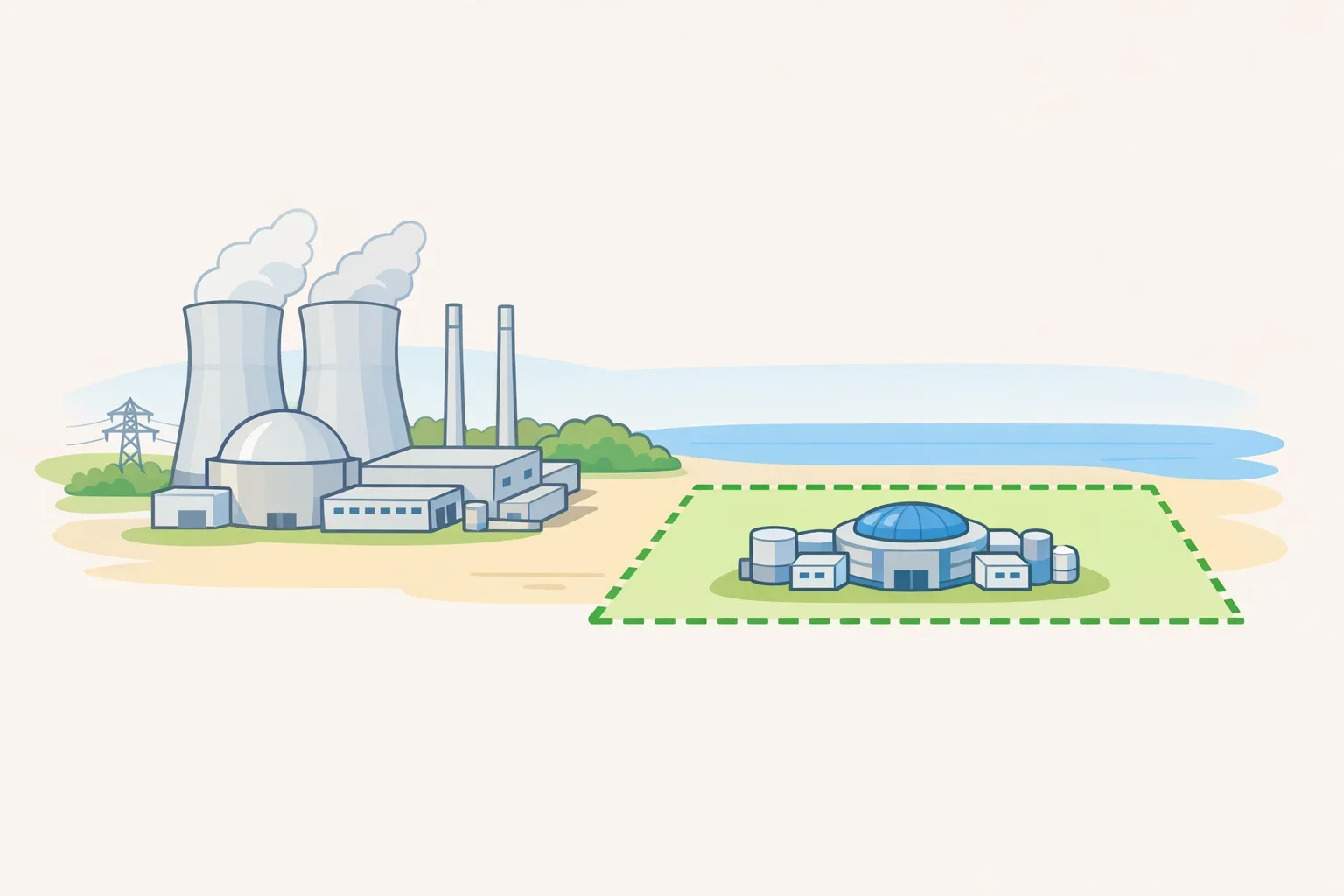
Three elements give this deal a structure most fusion rounds lack.
A utility partner with a named site. RWE is not a passive financial backer. The German utility's €25 million came with a formal agreement to partner on building at Gundremmingen, a former fission facility that brings existing grid infrastructure, permitting history, and industrial capacity, according to The Star. RWE and Proxima have named Gundremmingen as the intended site, though the binding terms of that agreement have not been disclosed. Whether this is a development contract or an early memorandum of understanding matters, and the public record does not resolve it. But at minimum, it is a specific address that a major European utility has agreed to work toward.
A hardware roadmap with checkable milestones. According to the company's Series A press release, Proxima plans to complete its Stellarator Model Coil in 2027, a hardware demonstration intended to validate high-temperature superconductor technology for its stellarator design.
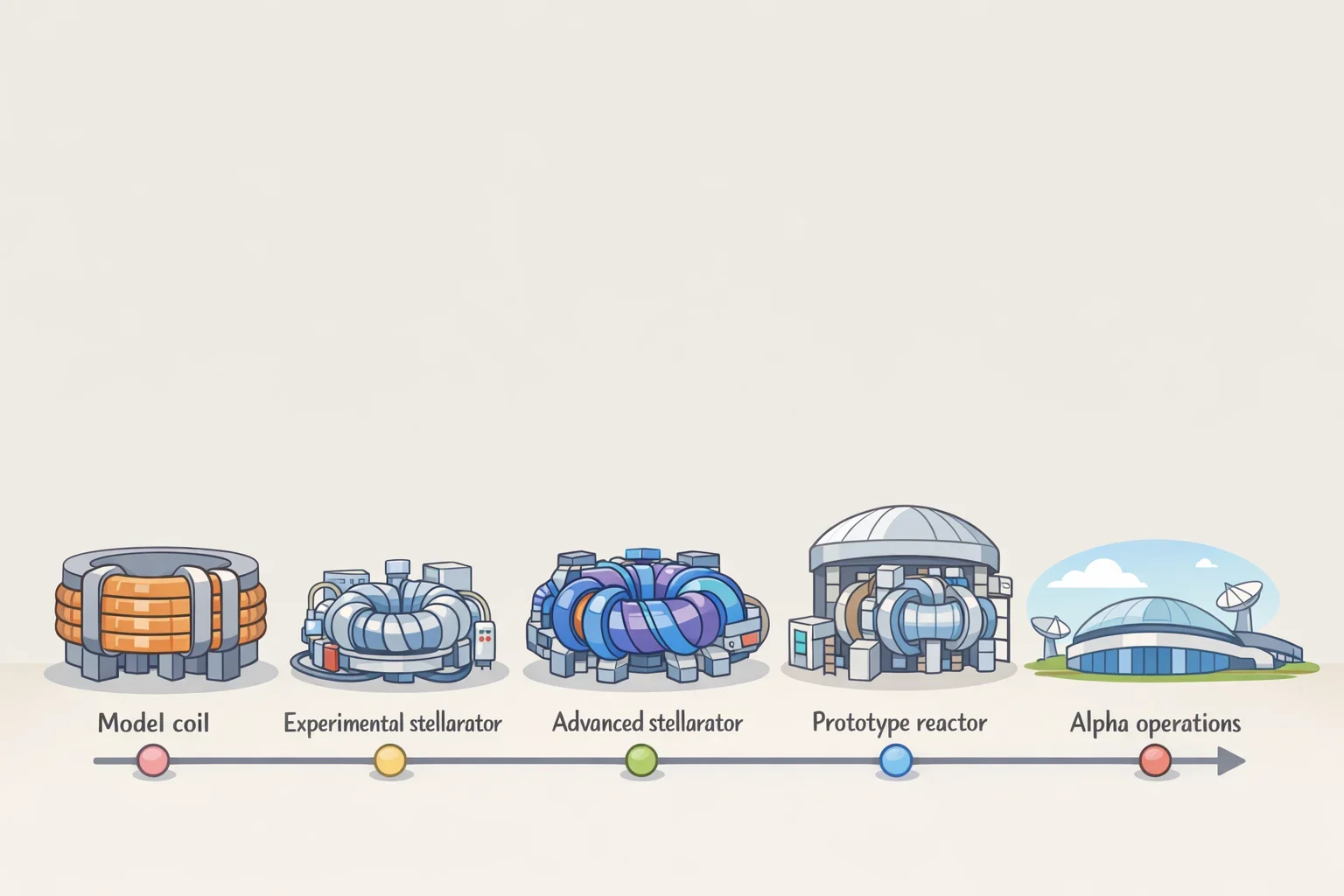
After that, Alpha, its full demonstration stellarator, is scheduled to begin operations in 2031 and is described by the company as the key step toward demonstrating net energy gain. These are dates investors can return to. They are not just directional commitments in a press release.
Strategic investors with a plausible reason to be there. Google's participation is the least transparent part of the deal. The size of its investment is undisclosed, and no available reporting establishes whether Alphabet's interest is financial, tied to energy procurement, or connected to data center infrastructure needs. Google's role here is primarily one of signal, not disclosed operational value. The combination of a major tech company with significant energy obligations and a utility that operates grid infrastructure does imply a shared view that fusion has a plausible role in future energy supply, but what coordinates that view, if anything, is not public.
This round builds on Proxima's €130 million Series A from last year, which was at the time Europe's largest private fusion raise and brought total funding to more than €185 million, per the company's press release. The current close more than doubles that cumulative figure in a single financing.
How the broader fusion funding market sets the stage
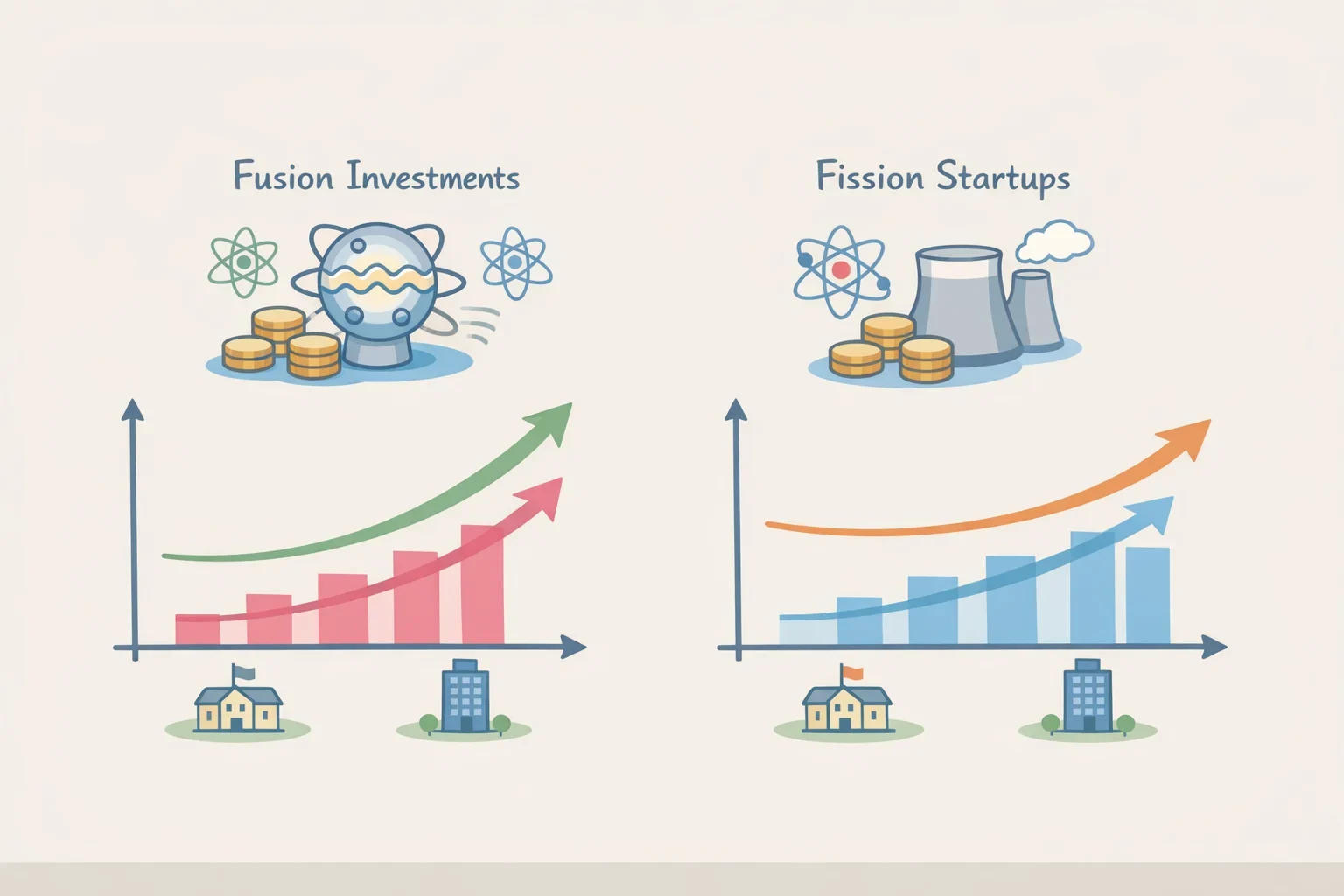
Fusion is still attracting serious capital. Where it goes is becoming more selective.
Global private fusion investment reached $2.2 billion in the year through July 2025, with roughly $900 million of that flowing to a single company, according to Nature Energy. The rest of the sector is competing for what remains. The strain is showing: the sector collectively raised $1.6 billion in the prior 12 months, but two of its longest-running players, TAE Technologies and General Fusion, have turned to public-market mergers to stay solvent, TechCrunch reported earlier this year.
General Fusion's path illustrates what the weaker end of the market looks like. The company cut 25% of its staff, received a $22 million emergency lifeline from existing investors, and ultimately announced a reverse SPAC merger that could yield $335 million. Neither General Fusion nor TAE Technologies has reached scientific breakeven, the point at which a fusion reaction generates more energy than is needed to ignite it. No private startup has, per TechCrunch.
Recent funding patterns suggest investors are still writing large checks, but concentrating them on companies with clearer development plans: a utility relationship, a site, a near-term hardware milestone. That combination is what the €2.4 billion valuation is pricing. It is not evidence that fusion works commercially.
What remains unproven
Investors in this round are accepting a specific set of open questions, not buying certainty.
On timeline: Proxima's Alpha is not scheduled to attempt net energy gain until 2031. Commonwealth Fusion Systems, currently among the most advanced in the field, expects to reach that scientific milestone next year, TechCrunch reported earlier this year. Stellarator and tokamak designs differ enough that direct comparison is imprecise, but Proxima's commercialization path still runs through a significant unproven stage.
On cost: capital cost estimates for a first fusion power plant range from $1,400 to $43,000 per kilowatt of capacity. Private-sector experts average $7,000 per kilowatt; public-sector experts average $26,000, according to Nature Energy. The same research found that fusion plants' experience rates, the rate at which costs fall as more units are built, are probably 2–8%, well below the 8–20% range commonly assumed in projection literature. Costs will fall, but more slowly than optimistic models suggest.
On timing: MIT's CEEPR modeling found that under favorable cost assumptions, fusion could supply up to 30% of European electricity by 2100 and reduce cumulative system costs by nearly €2 trillion. A delay in market entry from 2035 to 2050 cuts those discounted savings by more than half, according to MIT CEEPR. The same analysis inferred anticipated success probabilities below 20% for a 2035 market entry. The investment case here is exposure to a very large outcome if the timeline holds, not confidence that it will.
The 2027 coil test is what this round really buys time for
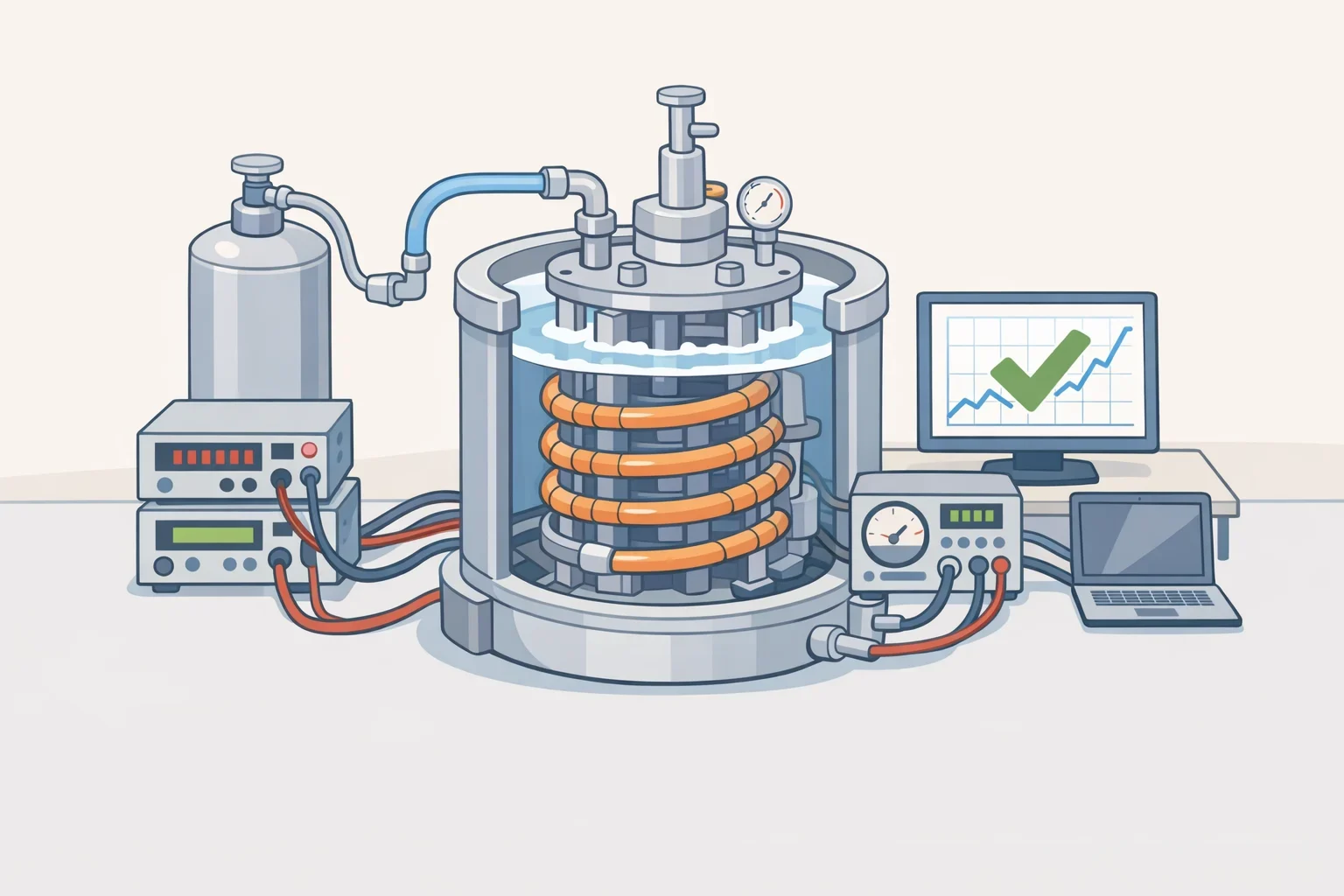
Proxima Fusion has now raised €411 million in a single close, backed by Google, RWE, and two lead venture funds, bringing its valuation to €2.4 billion, per The Star. The RWE site agreement at Gundremmingen adds weight that the capital number alone cannot carry.
Two disclosures still matter. First, the full terms of the RWE agreement: whether it is binding and what conditions govern it. Second, and more consequential for the underlying technology, the 2027 Stellarator Model Coil result. That is the next hardware checkpoint the company's roadmap depends on, per the company's press release. It will tell observers considerably more about Proxima's real standing than any valuation figure. A coil test that validates the high-temperature superconductor assumptions is checkable physics. That outcome, not this announcement, is where the story goes next.
