
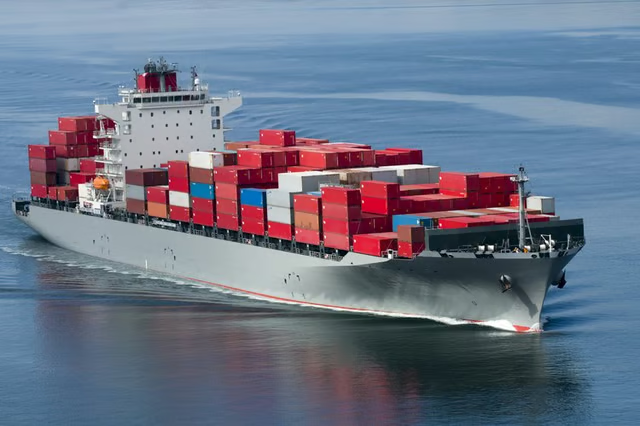
Of all the goods transported across oceans, only about 5 percent or so travel by air, and the remaining 95 percent moves by ship. A computer part manufactured in China will most likely make it’s way to the United States via ship. Two major forms of shipping cargo are break-bulk and containerization.
Containers come in all sizes and are found stacked in deep holds or on board throughout a cargo ship. Sealed ahead of time with all of their goods inside of them, container shipping provides a secure means of shipping items overseas. Goods vary from produce to furniture. Temperature-sensitive cargo is put into refrigerated containers. Some containers can easily be loaded onto truck-beds or railroad cars for movement out of the port without losing time to unloading.
Break-bulk shipping includes items that aren’t put into the large containers, but are not loose material. With its own packaging, break-bulk items, such as cardboard boxes or bags, get loaded into cargo holds. Cargo is often shipped break-bulk because there isn't enough to fill a container, such as a shipment of consumer goods for a single shop.
Container shipping offers a significant advantage as it streamlines the shipping process. Cranes easily lift containers on and off a ship at fast speeds. Turnover time in port is greatly reduced. Break-bulk comes in handy for ports that aren’t capable of handling containers, either because they are not equipped with the cranes required to hoist the containers, or because they are not deep enough to accomodate the larger container ships.
